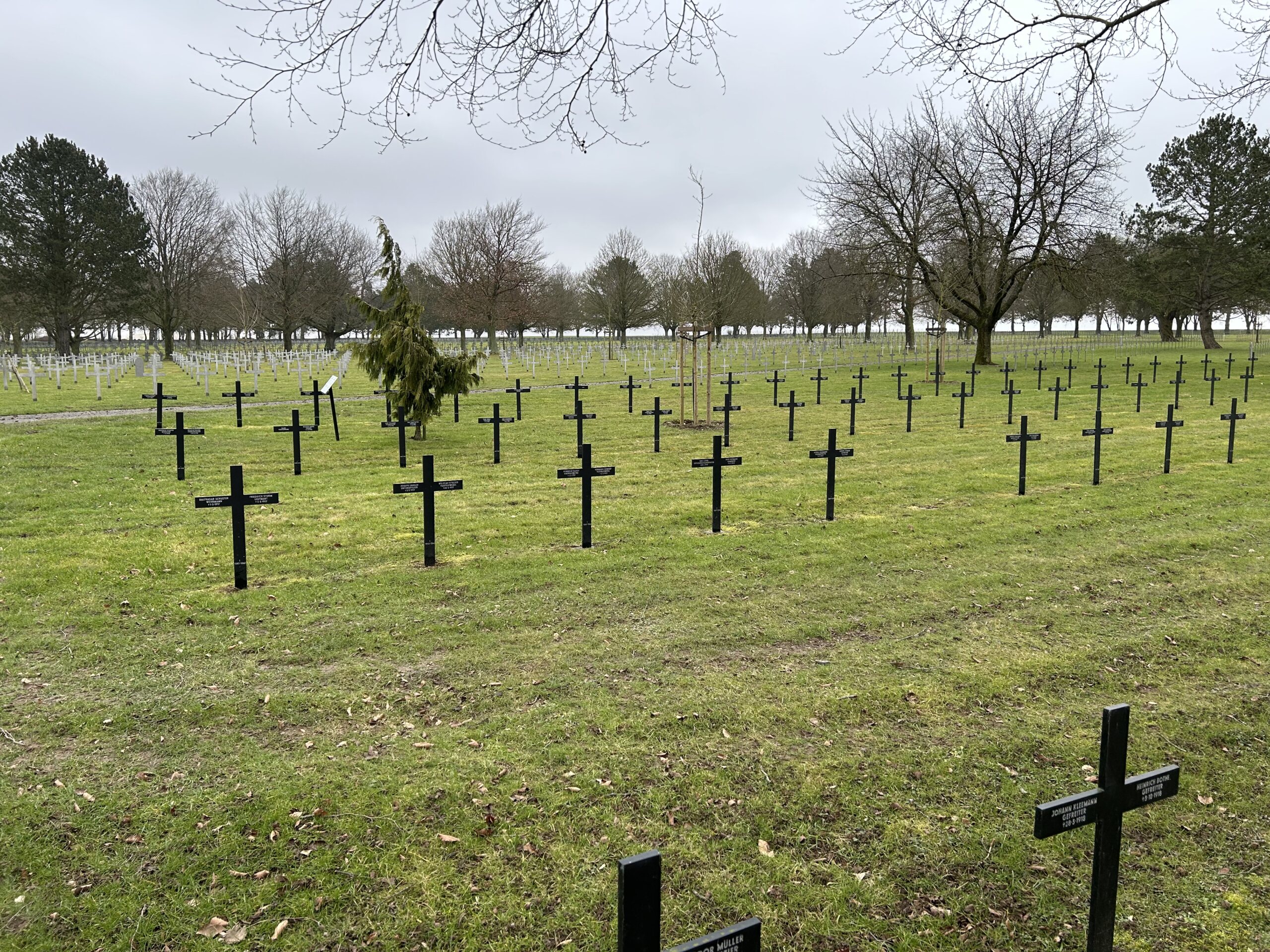
Members of the cast of “Oh What a Lovely War” travelled to the Somme battlefields during the half-term break.
The Somme has, over the past century, become a byword for futility. It is widely regarded, in Britain at least, as a uniquely terrible slaughterhouse. Almost 20,000 British troops lost their lives on 1 July 1916 – the opening day of Field Marshal Sir Douglas Haig’s “big push” against German forces – in what remains the bloodiest day in the history of the British Army. By the time the battle had ground to a halt 141 days later in November, Britain had suffered an estimated 420,000 casualties (killed, wounded and missing).
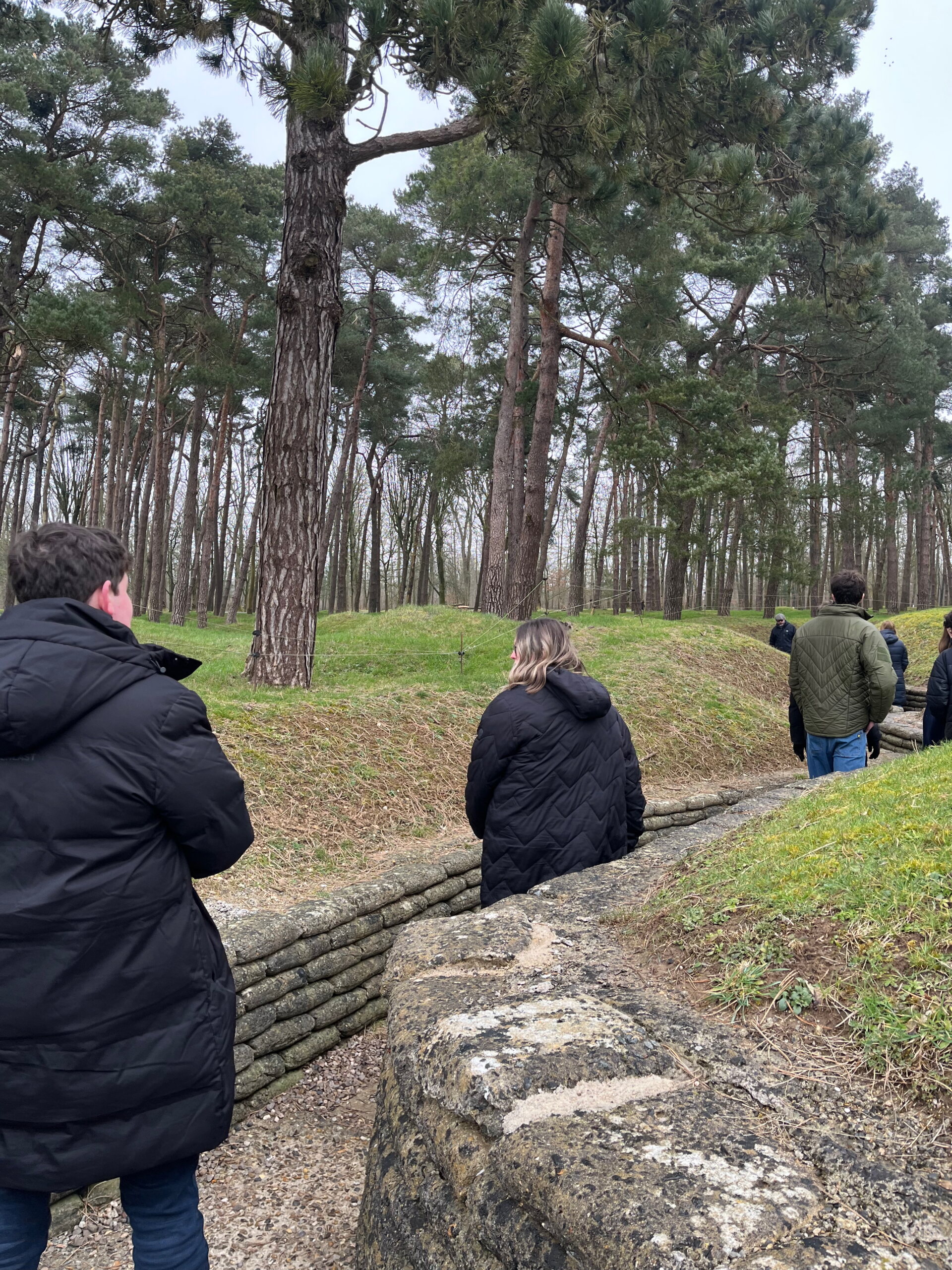
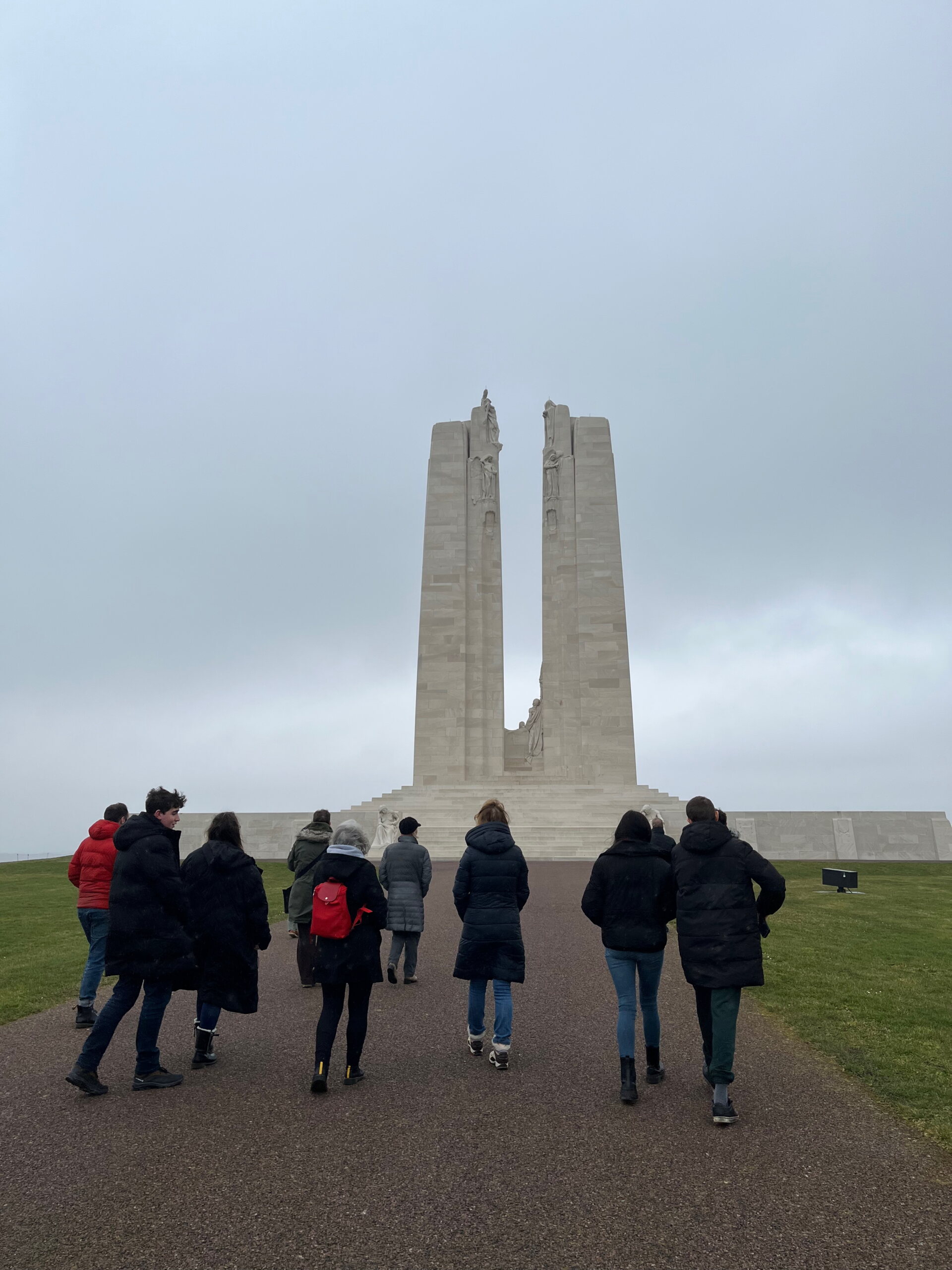
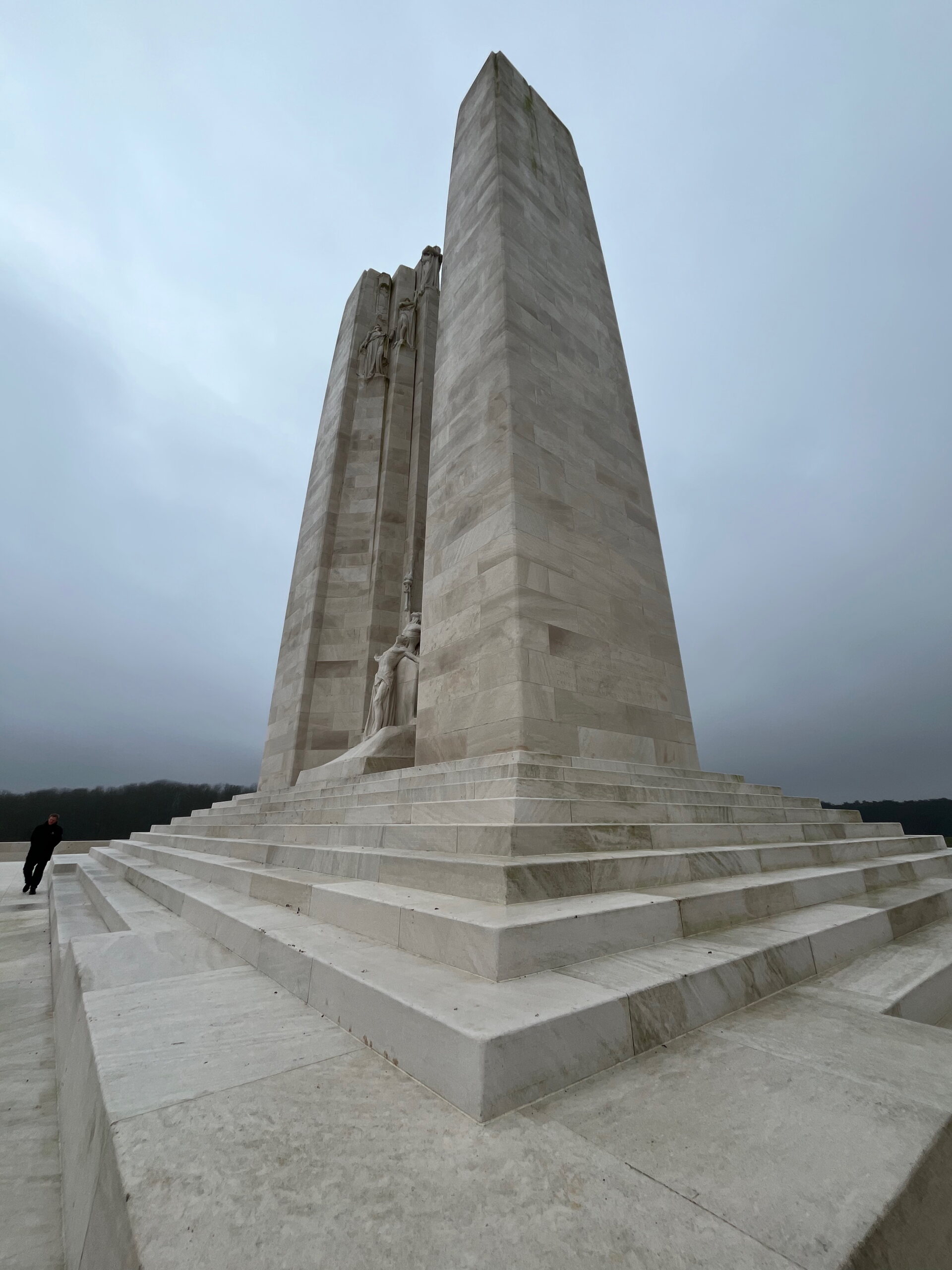
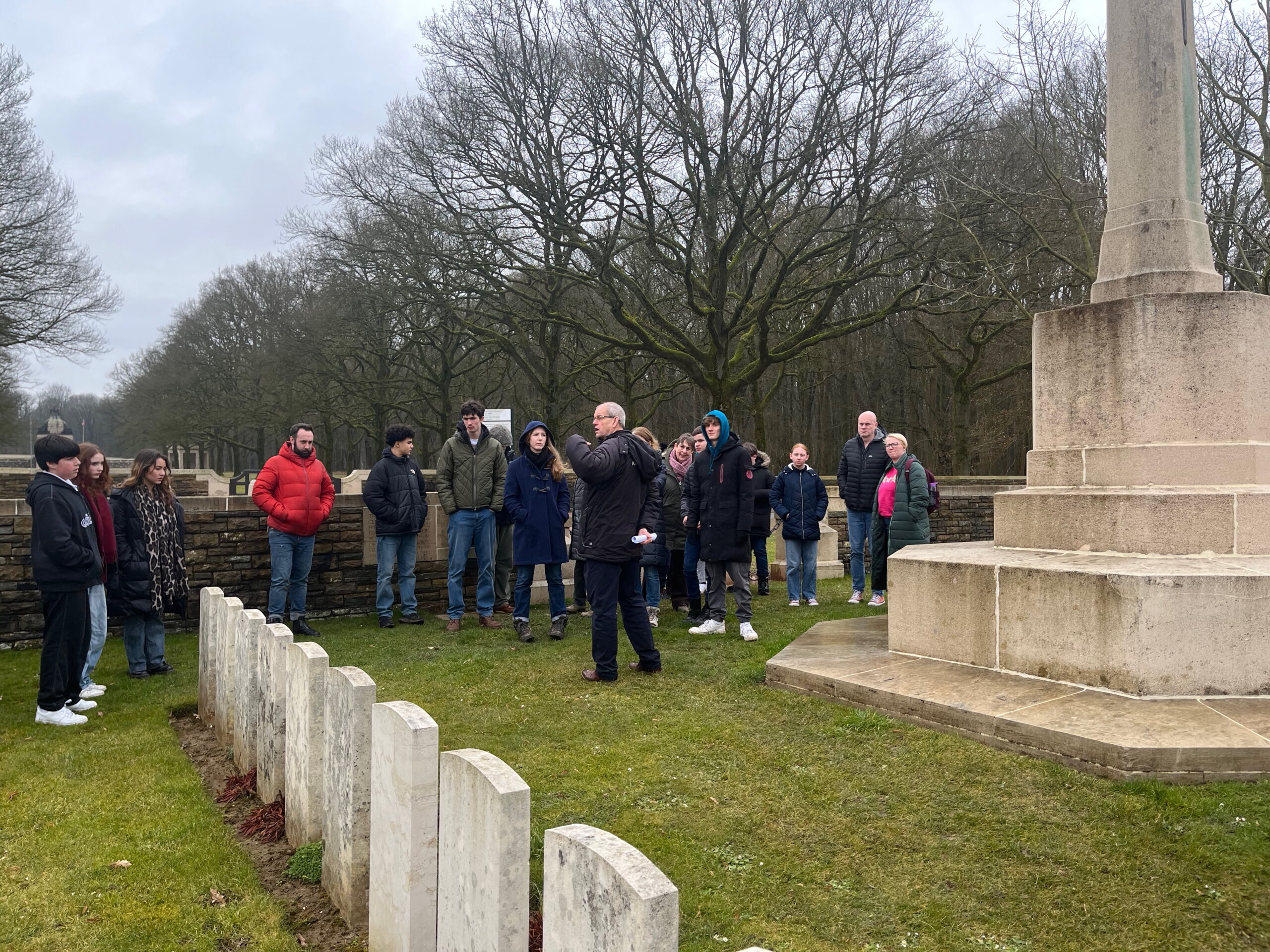
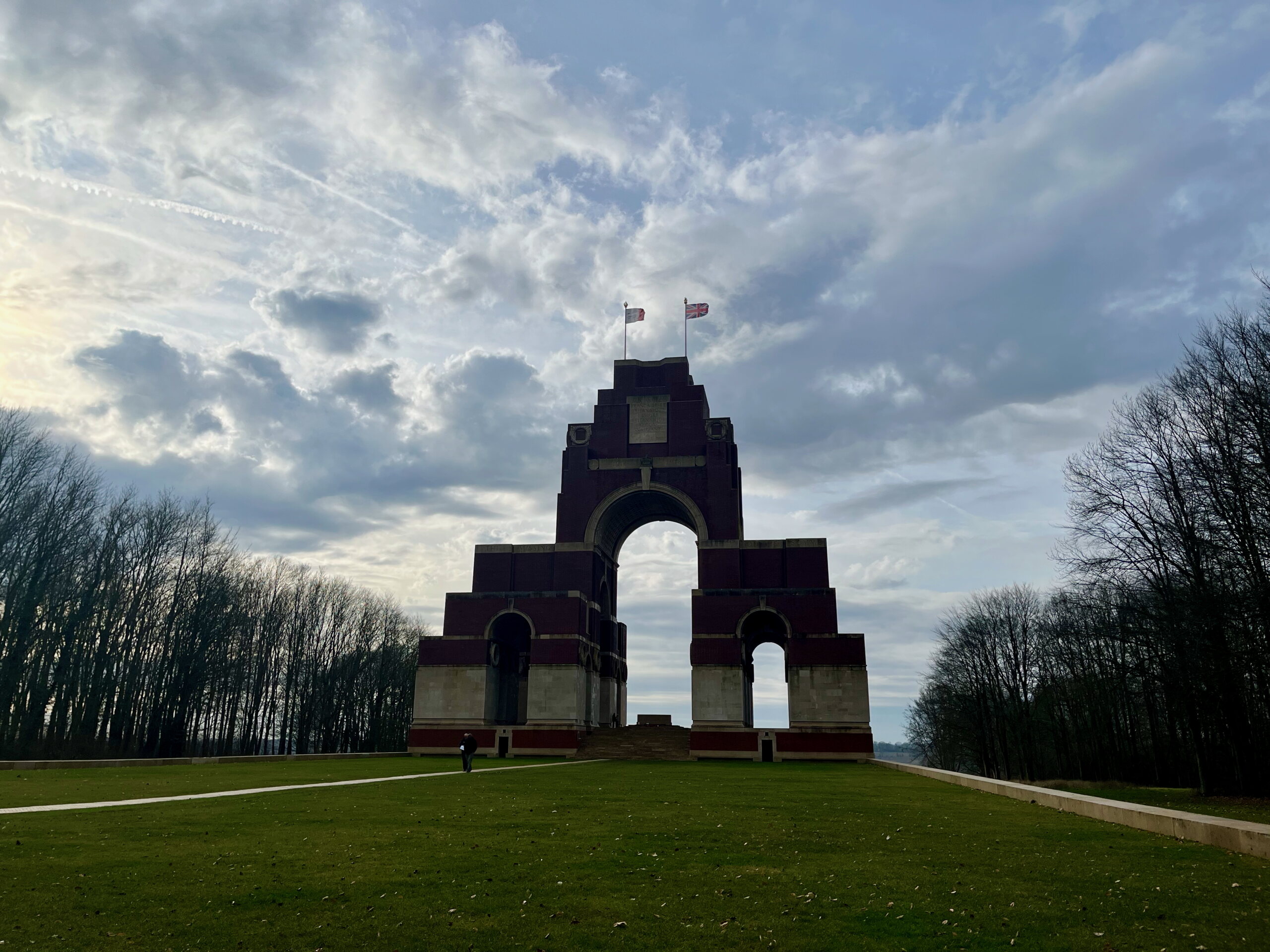
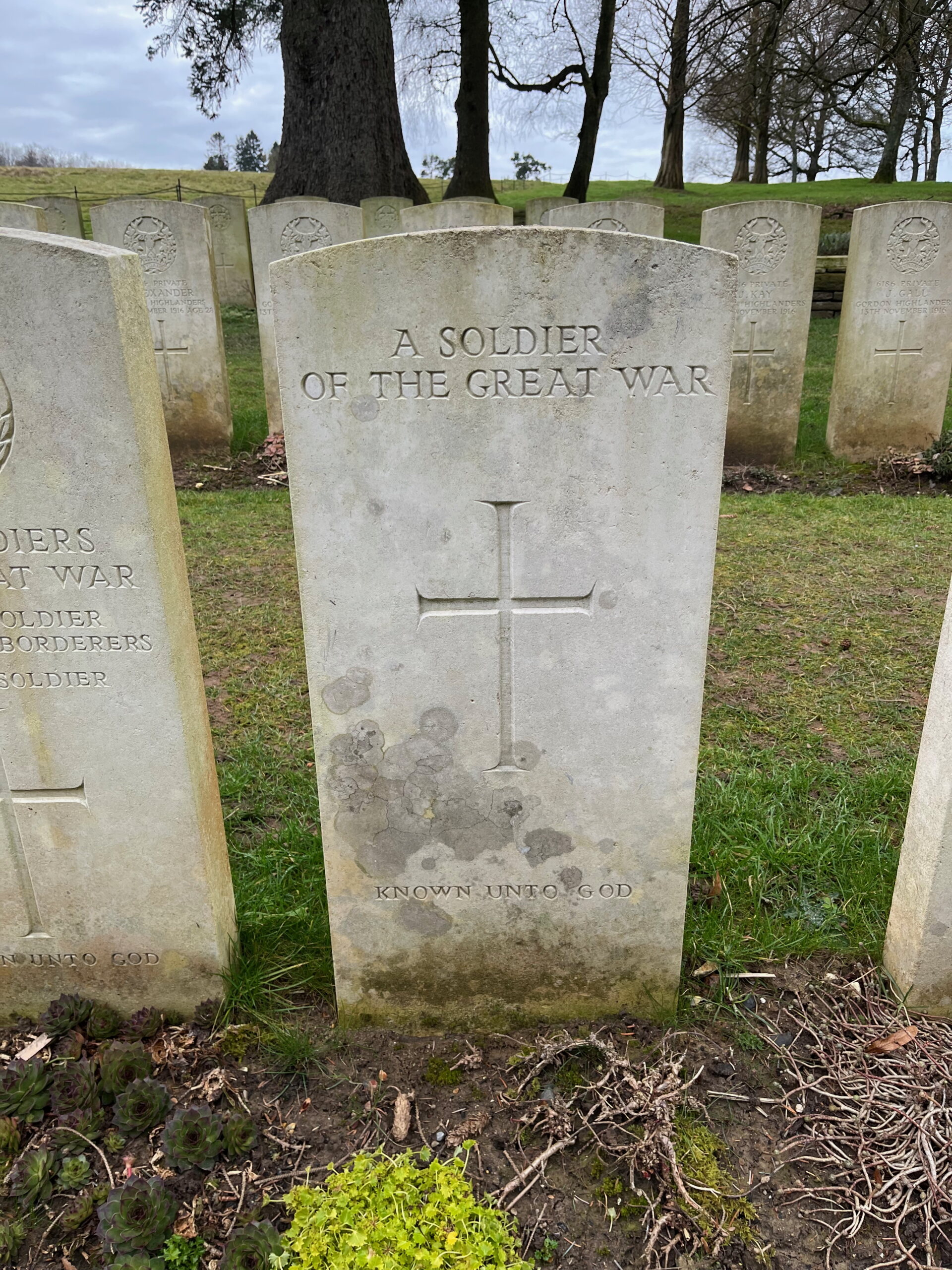
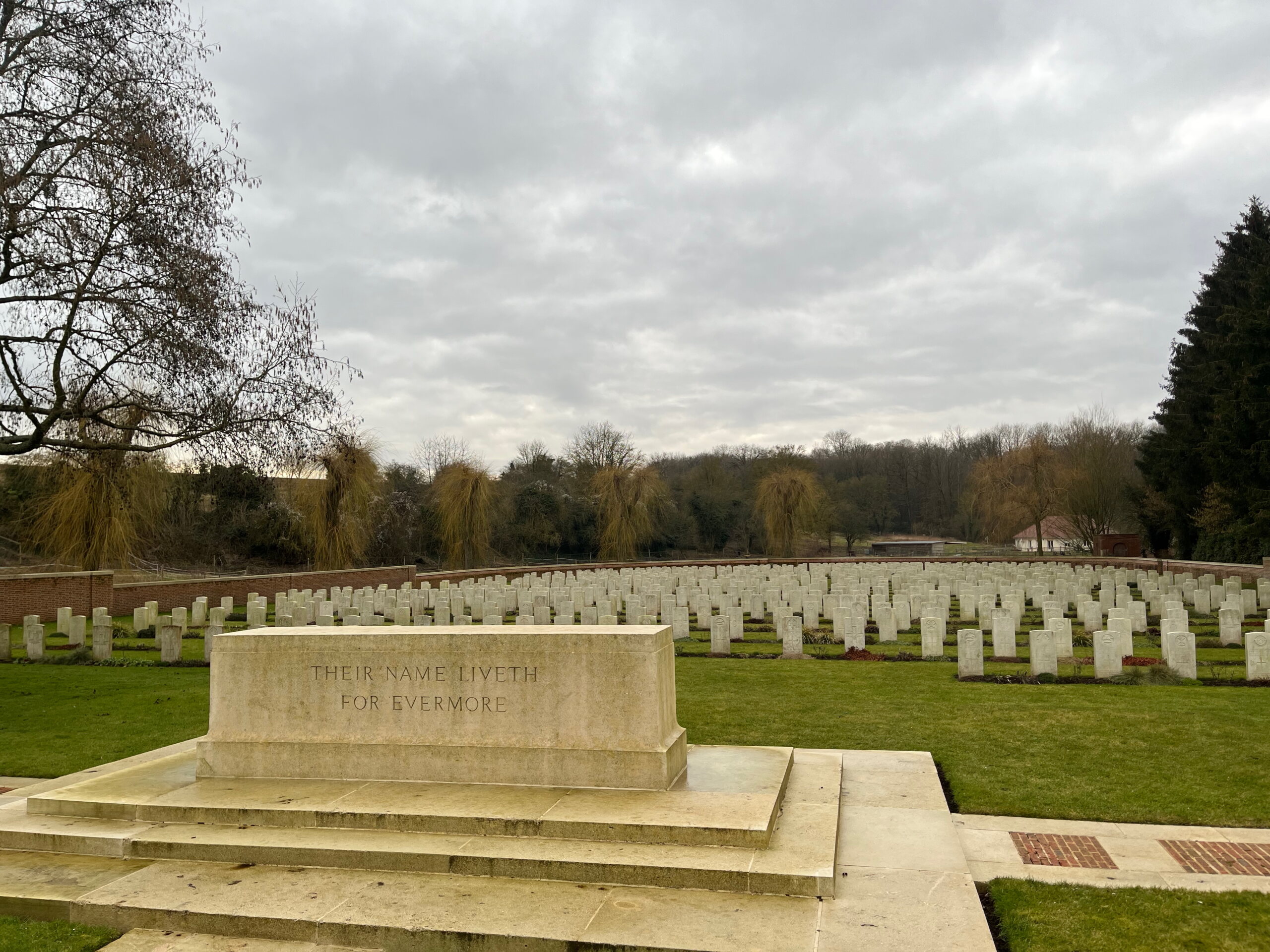
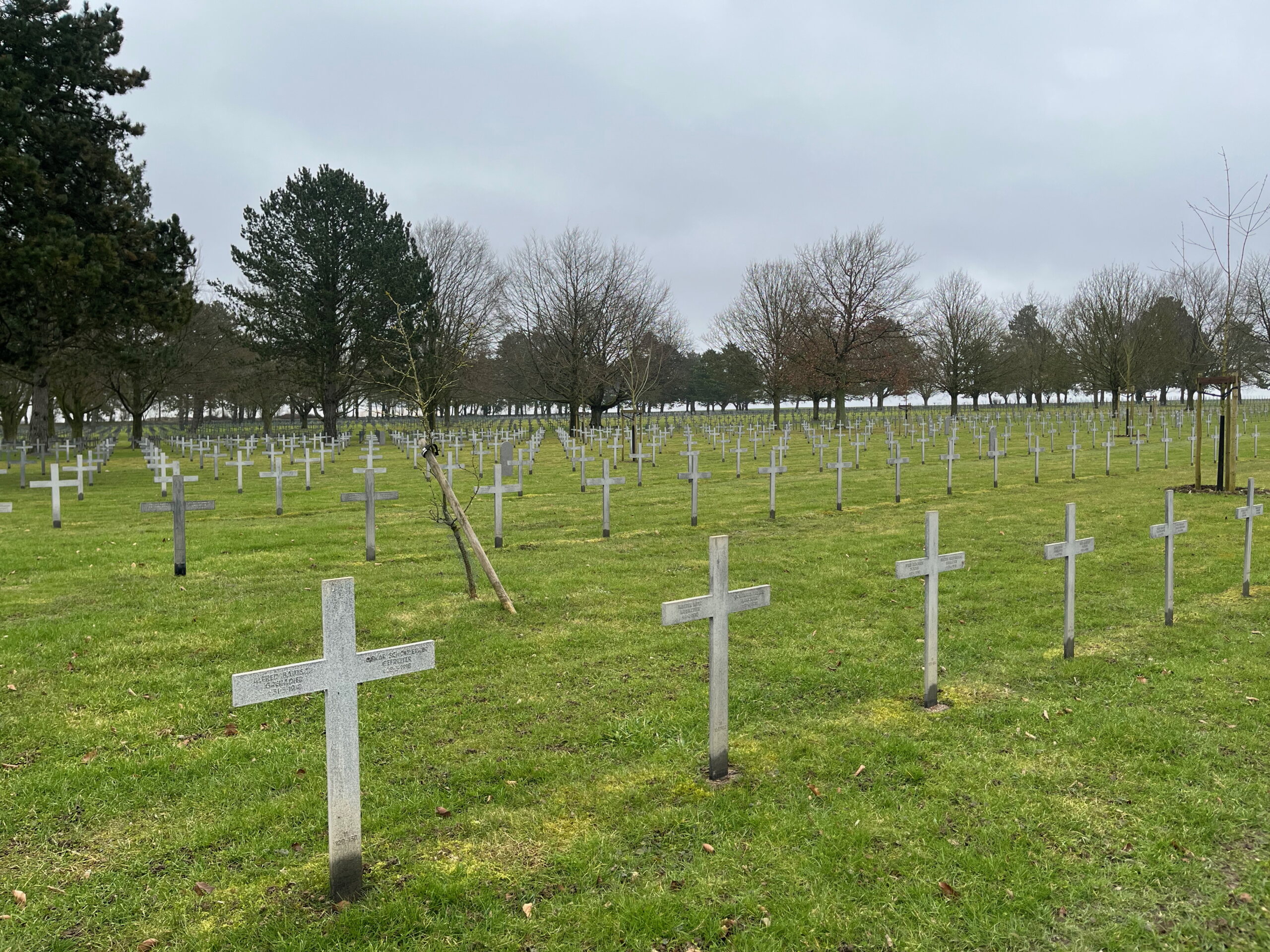
Tracing the frontline, pupils visited British and German war graves and explored the trenches where, at 7.30 am, men from the Fourth Army went “over the top” following a seven-day barrage. At Thiepval Memorial, the show’s musical director, Sam Hall, Old Roffensian and former Cathedral Chorister, laid a wreath to commemorate Harold Albert Brand, a member of Rochester Cathedral Choir, and one of 68 King’s pupils killed in the “Great War”, while scenes from the production were poignantly recreated at the Schwaben Redoubt and the Newfoundland Memorial Park.
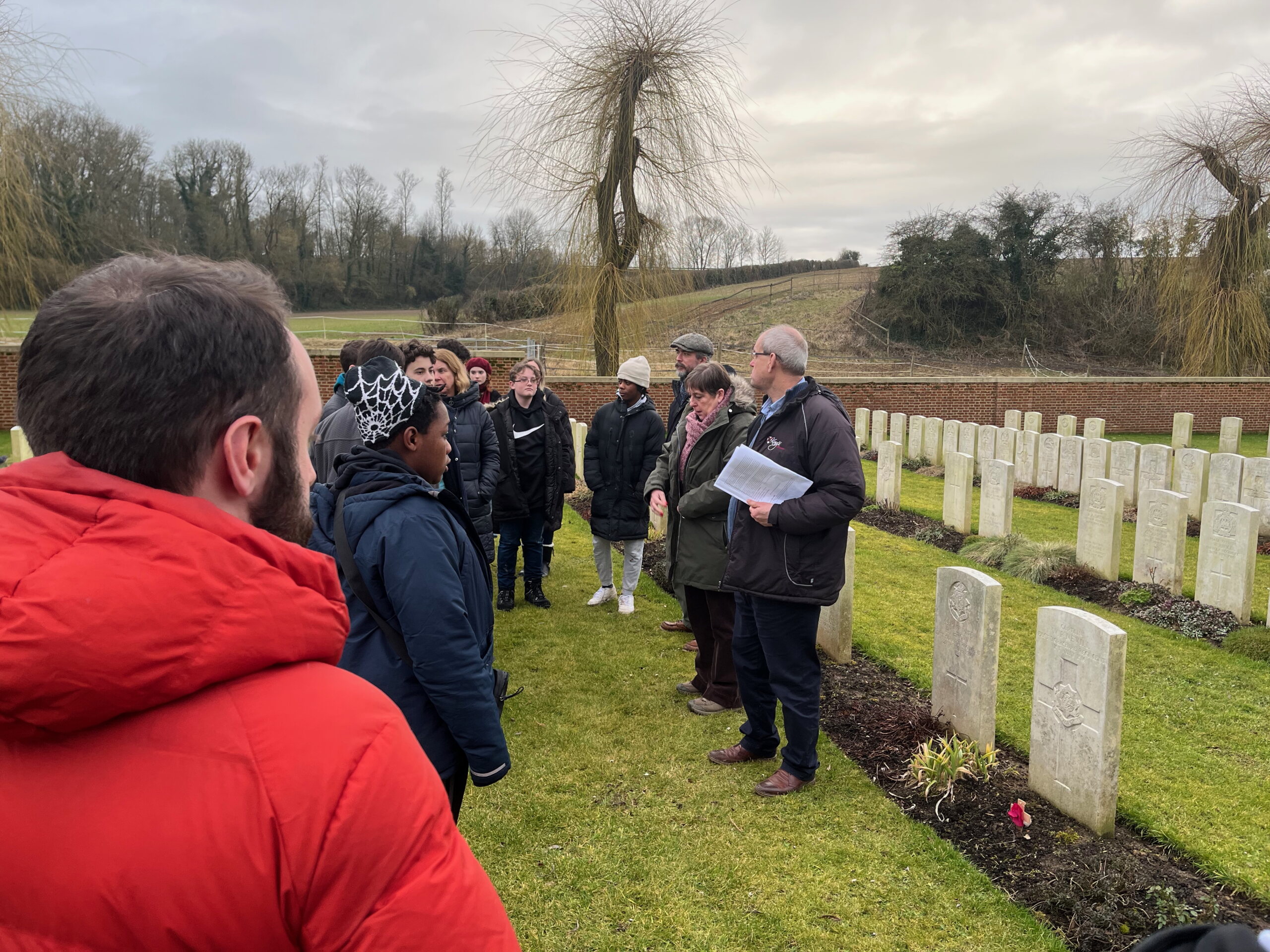
At the grave of Captain Nevill, who gifted his men four footballs to kick across no-man’s land in what was billed as the “East Surreys v Bavarians: the First European Cup”, the group listened silently to a reading of Sassoon’s poem, “Suicide in the Trenches” before singing “Keep the Home Fires Burning” as the February sun set below the horizon.
The visit offered an informative and moving insight into the experiences of the ordinary Tommy, which will provide new layers for those participating in Joan Littlewood’s ground-breaking musical drama later this term.

Related Posts
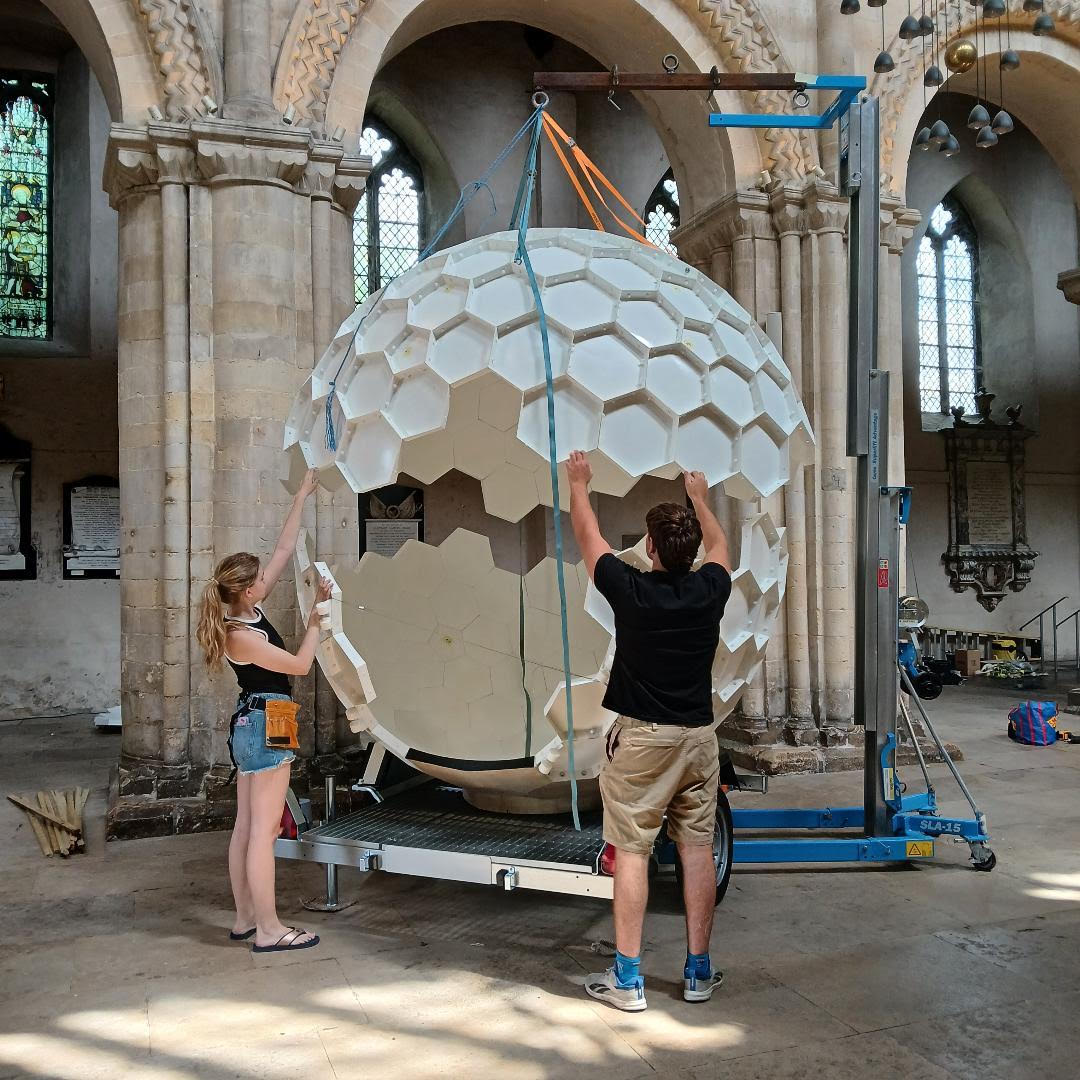
Upper Sixth student Reuben D has played a vital role in bringing a major new artwork to life at Rochester Cathedral, earning high praise from local artist Matthew Darbyshire for his extraordinary commitment and hard work throughout the project. Reuben assisted Darbyshire in constructing White on White, an ambitious sculpture commissioned by Rochester Cathedral [...]
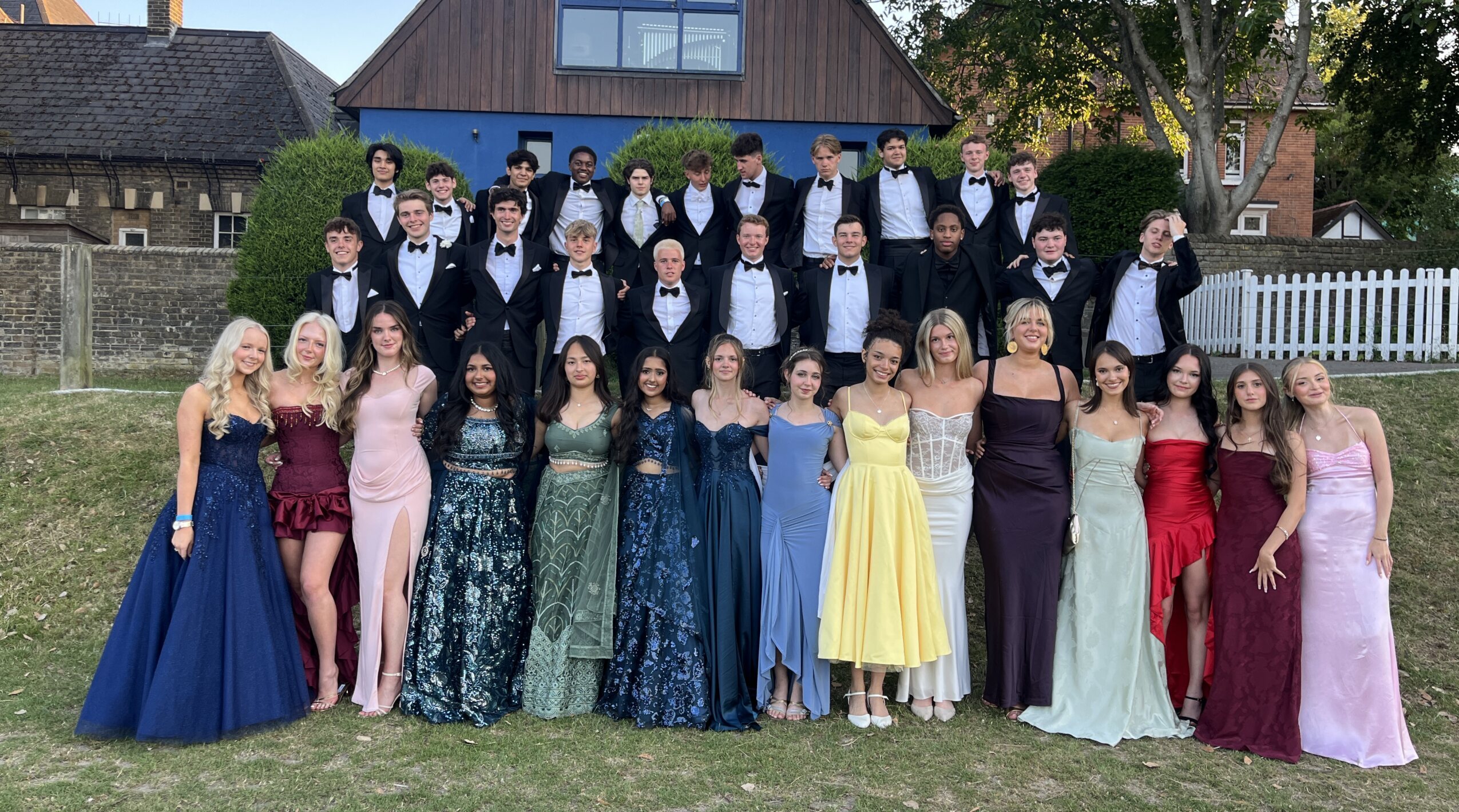
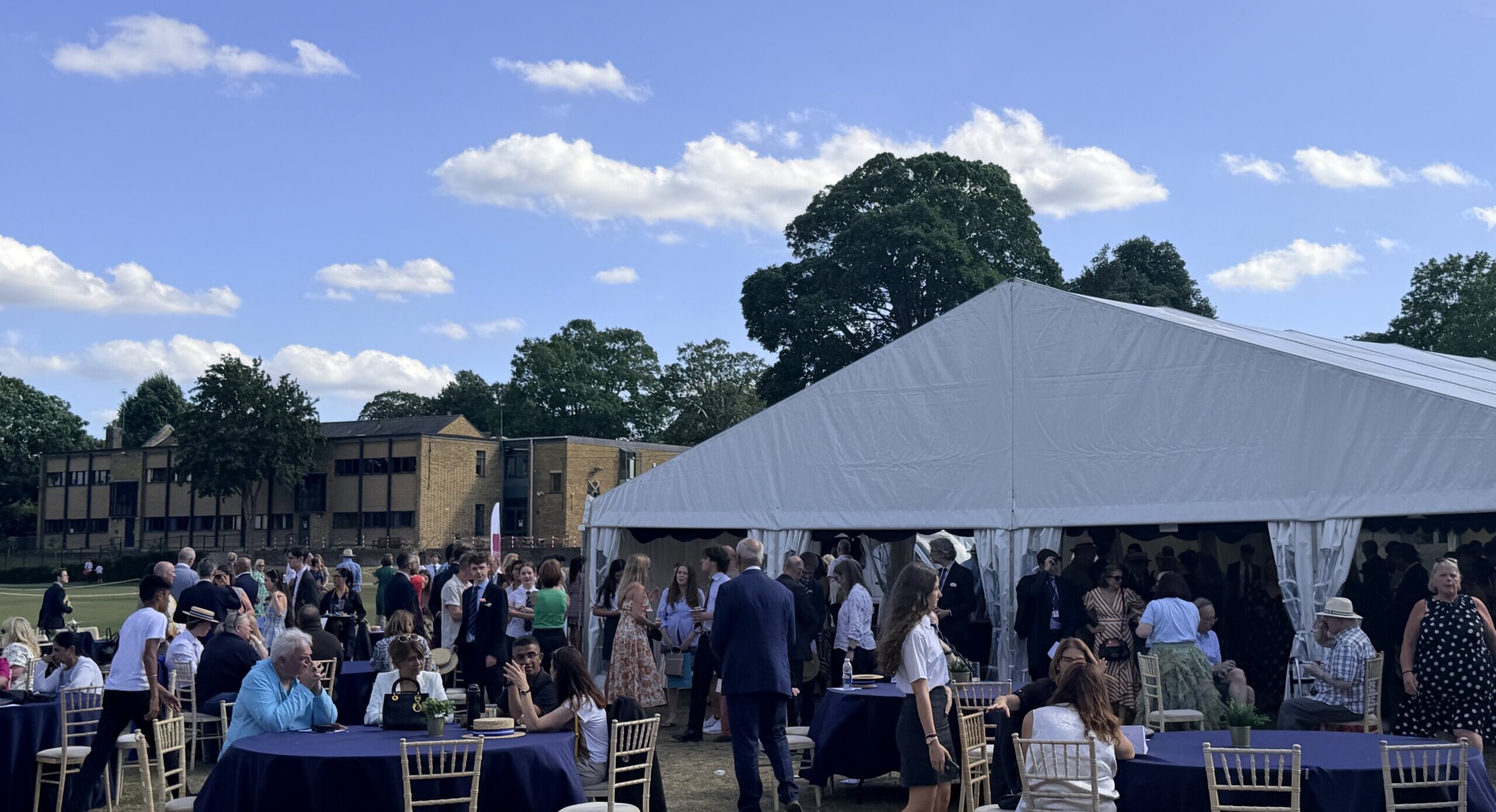
The Paddock was transformed into a spectacular venue for this year’s Summer Ball, with the Cathedral and castle providing the perfect backdrop. Guests gathered in a beautifully decorated marquee to celebrate the end of the academic year, bringing together parents, staff and Upper Sixth leavers for an unforgettable night. The atmosphere was fantastic, with [...]
The historic nave of Rochester Cathedral provided a magnificent backdrop for this year’s Speech Day and Prize Giving on Saturday, 4 July. The ceremony opened with the National Anthem, followed by an address from Mr John Maas, Chair of Governors, who reflected on the School’s continued growth and future strategic direction. Head of School [...]