Ever wondered what happens to the plastic we throw away? Or how long a plastic bottle or a mobile phone takes to break down? What is the Great Pacific Garbage Patch? Why are there 29,000 plastic ducks floating in the oceans? How does bioaccumulation affect wildlife? Could plastic-eating bacteria really help? And why are microplastics even in our toothpaste?
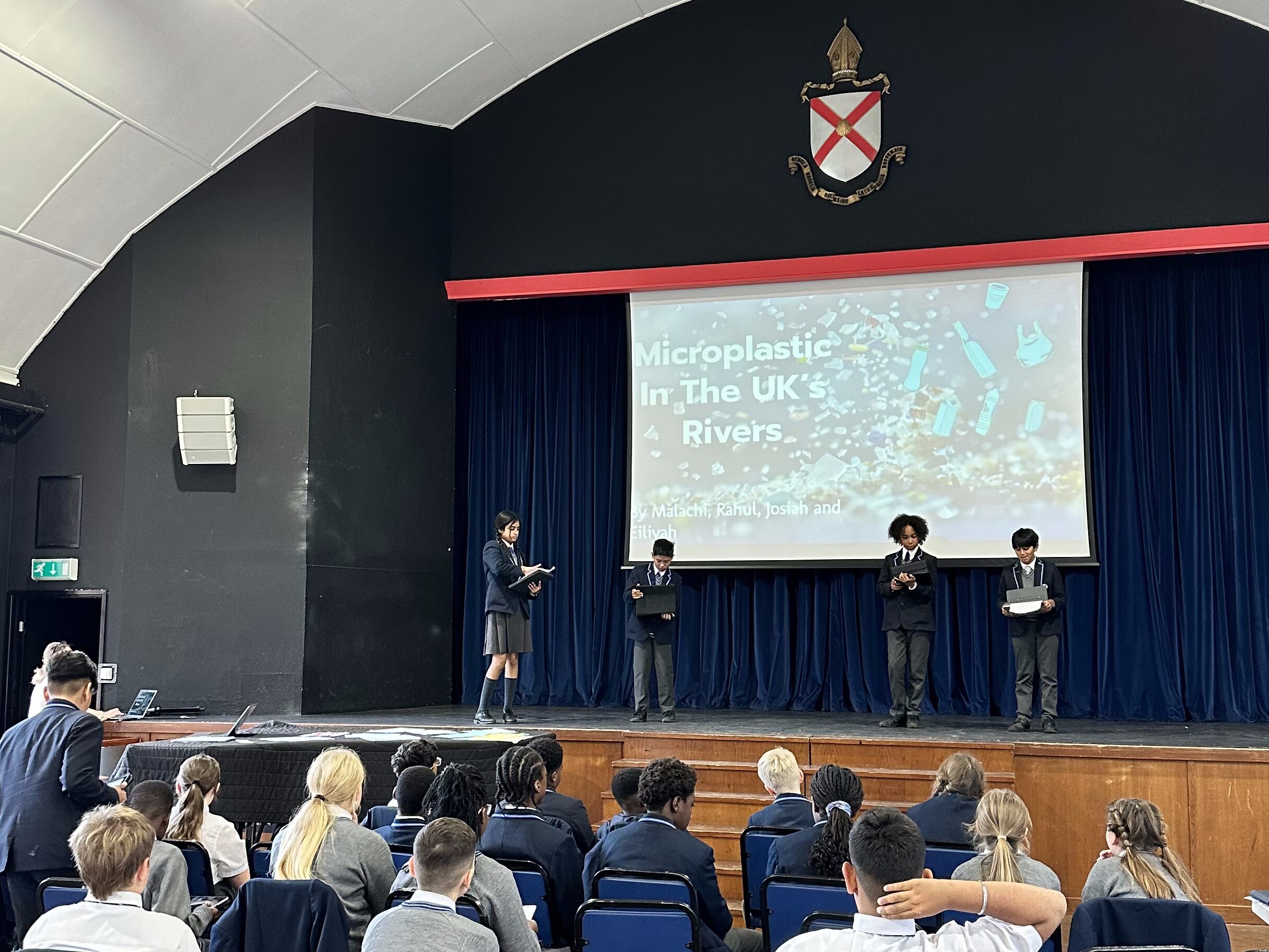
These were the big questions that Year 7 pupils tackled during a three-day Plastics Challenge as part of their King’s Diploma. With a collapsed timetable, pupils explored the science of plastics, examined the global impact of plastic pollution, and thought critically about solutions both on land and in the oceans.
Working in small groups, pupils collaborated creatively, applied their STEM skills, and developed the Competencies central to the King’s Diploma. They studied a real-world case from a Nepalese rubbish dump, designing innovative recycling solutions and presenting their ideas to their peers. They then tackled further challenges, exploring ways to “turn off the tap” on plastic waste and “bail out the bath” of pollution threatening our planet.
As the UN Global Plastics Treaty: INC-5 approached, pupils also produced digital presentations showcasing their research, problem-solving, and investigative skills—projects any environmental journalist would admire.
Did you know: A plastic bottle can last 400 years, and a mobile phone 1,000 years before decomposing!

Related Posts
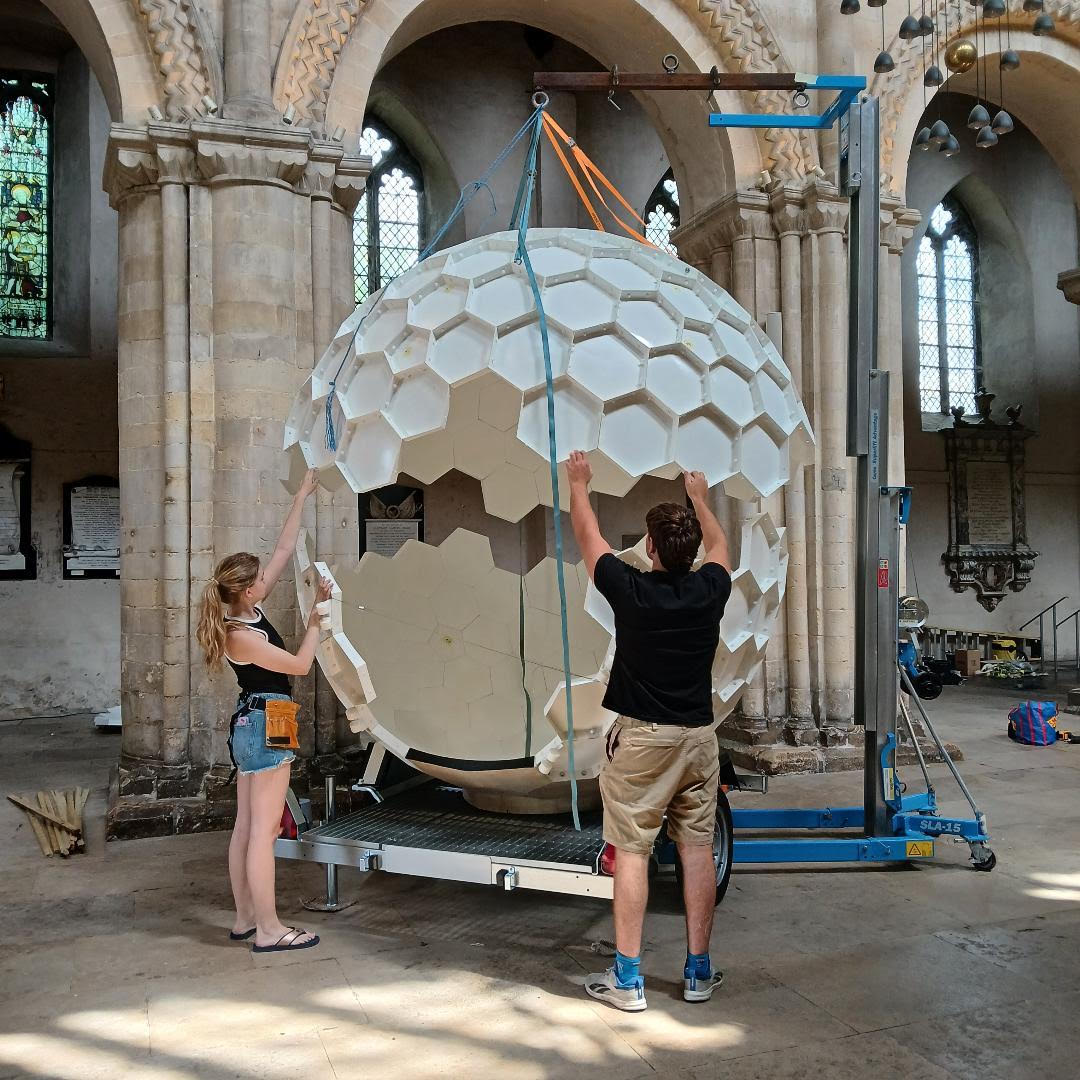
Upper Sixth student Reuben D has played a vital role in bringing a major new artwork to life at Rochester Cathedral, earning high praise from local artist Matthew Darbyshire for his extraordinary commitment and hard work throughout the project. Reuben assisted Darbyshire in constructing White on White, an ambitious sculpture commissioned by Rochester Cathedral [...]
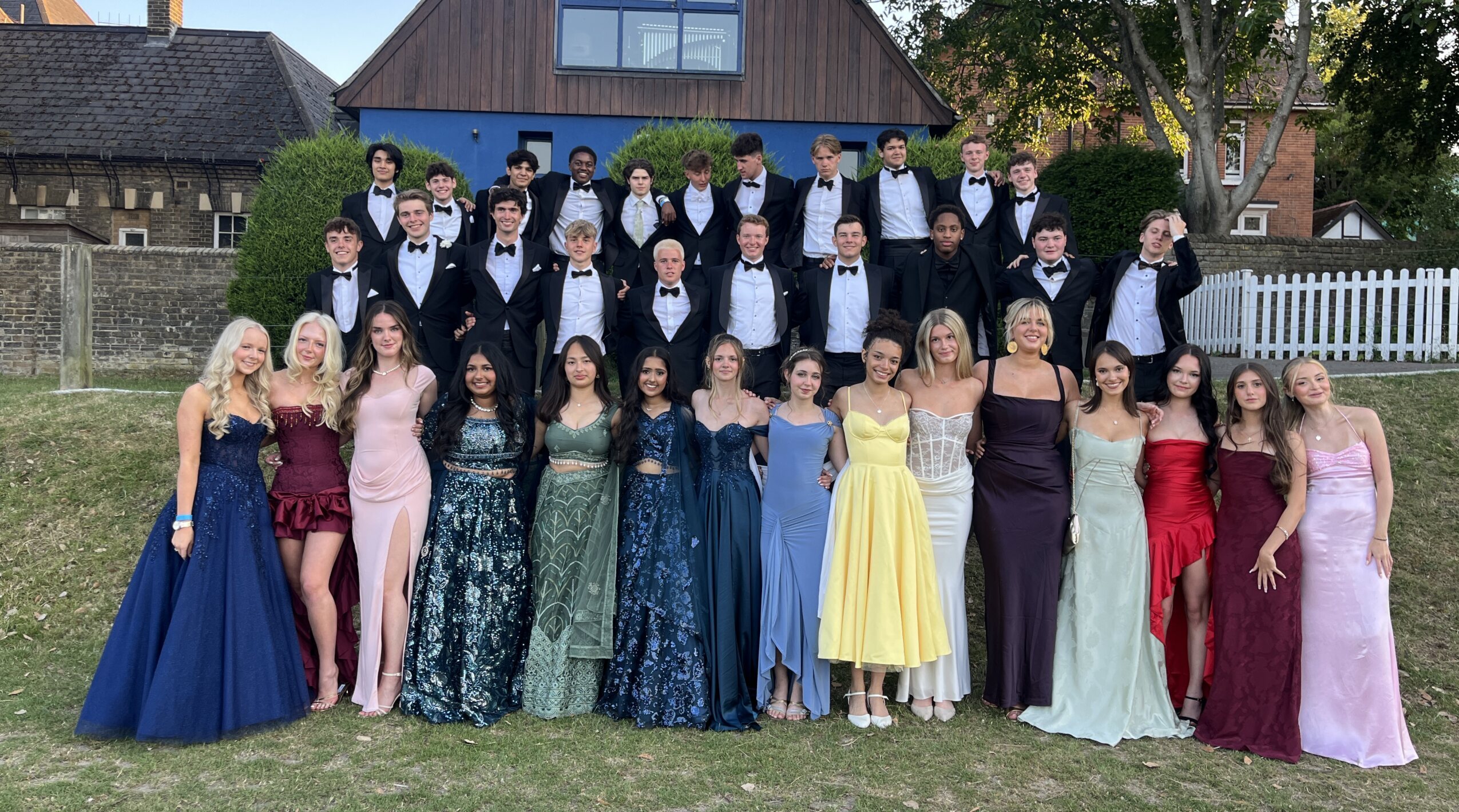
The Paddock was transformed into a spectacular venue for this year’s Summer Ball, with the Cathedral and castle providing the perfect backdrop. Guests gathered in a beautifully decorated marquee to celebrate the end of the academic year, bringing together parents, staff and Upper Sixth leavers for an unforgettable night. The atmosphere was fantastic, with [...]
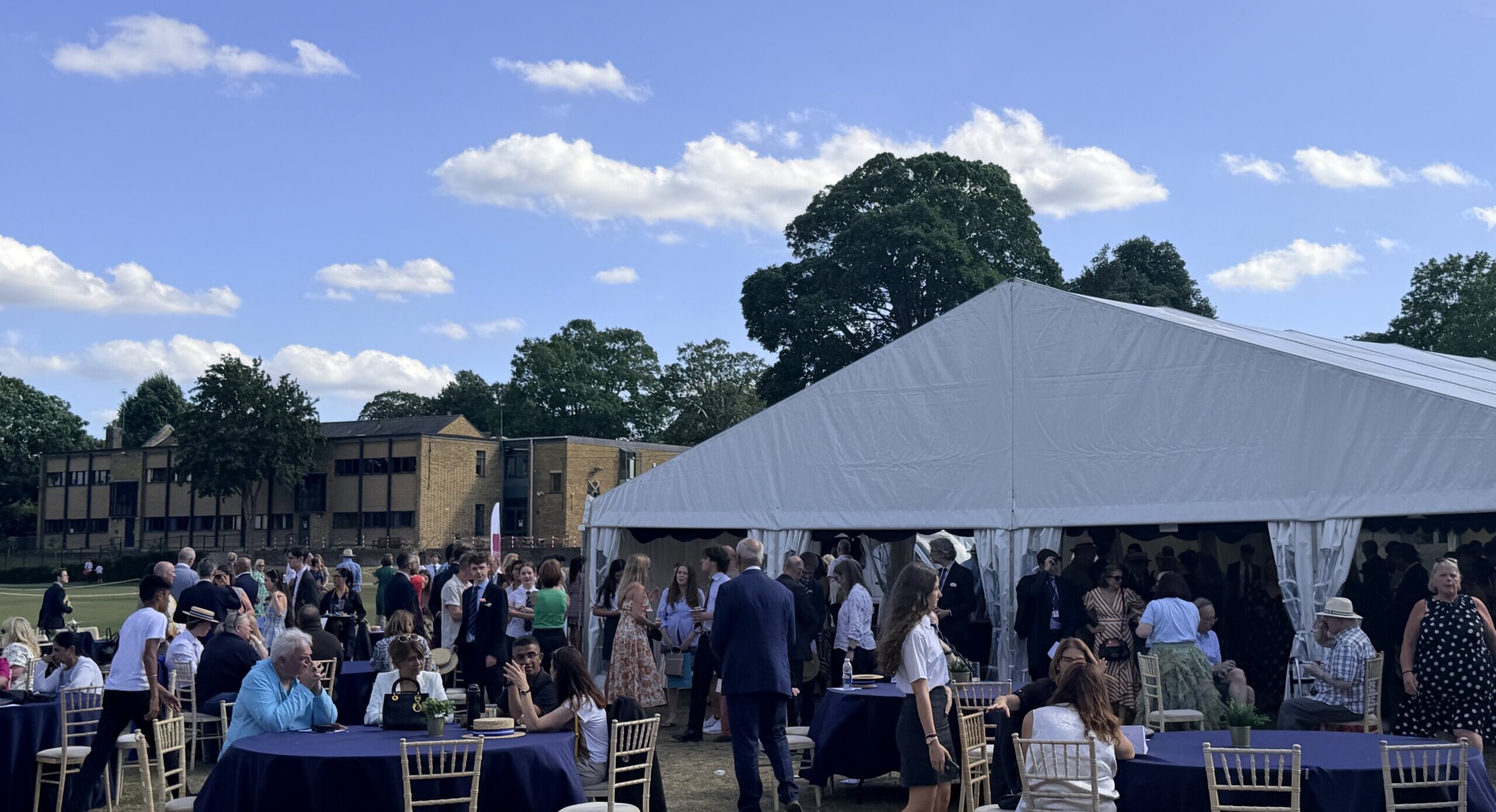
The historic nave of Rochester Cathedral provided a magnificent backdrop for this year’s Speech Day and Prize Giving on Saturday, 4 July. The ceremony opened with the National Anthem, followed by an address from Mr John Maas, Chair of Governors, who reflected on the School’s continued growth and future strategic direction. Head of School [...]