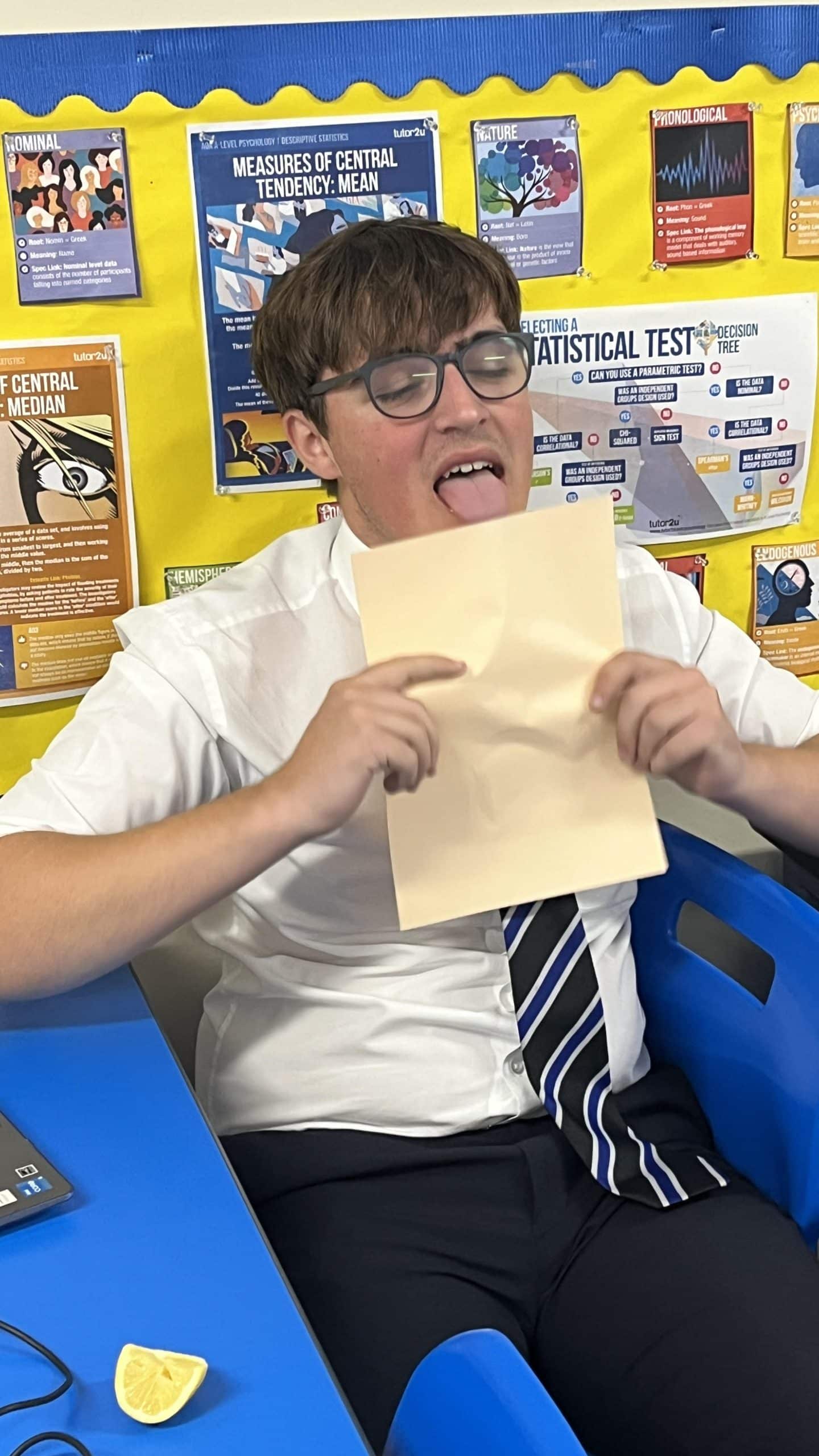
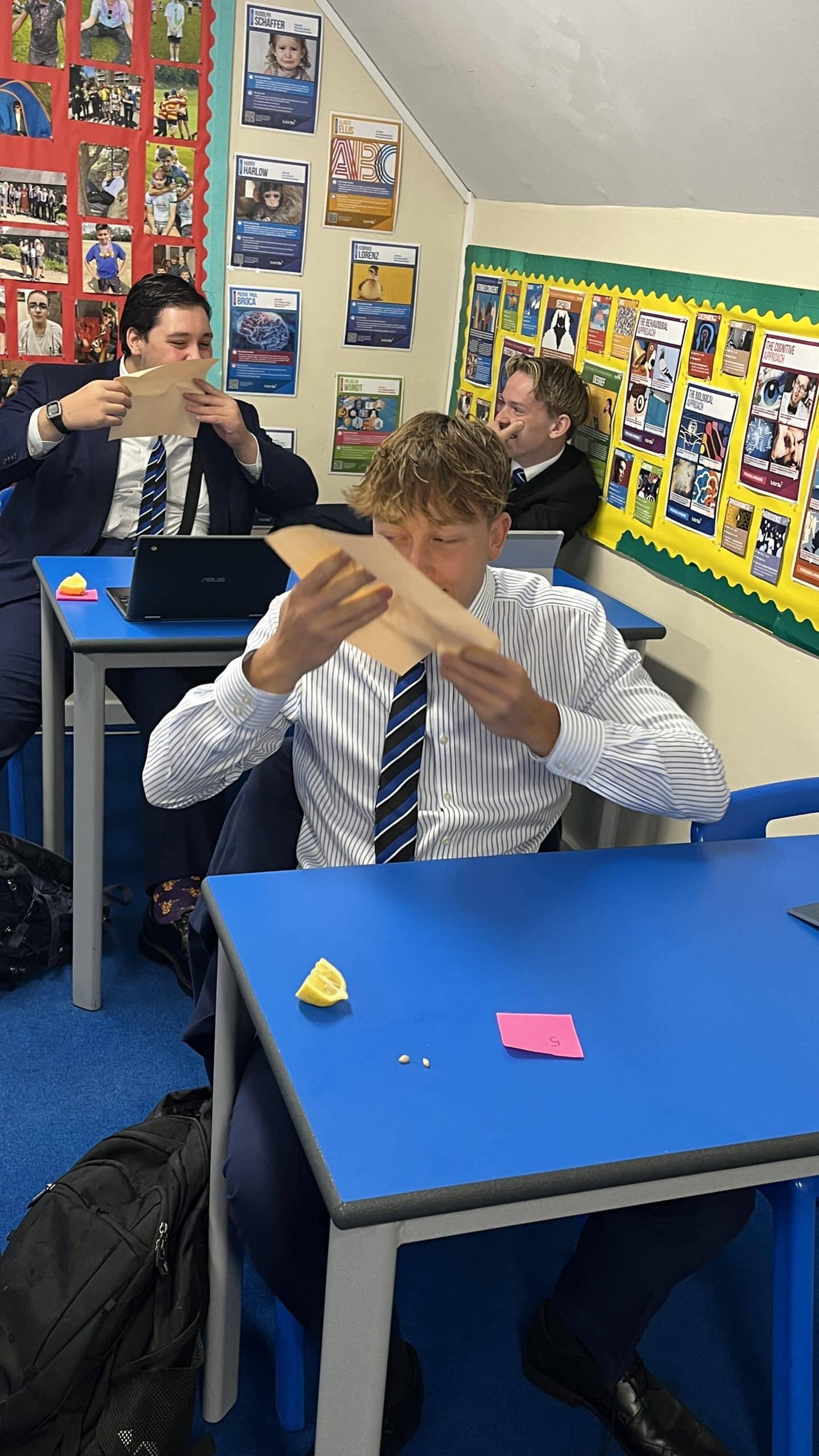
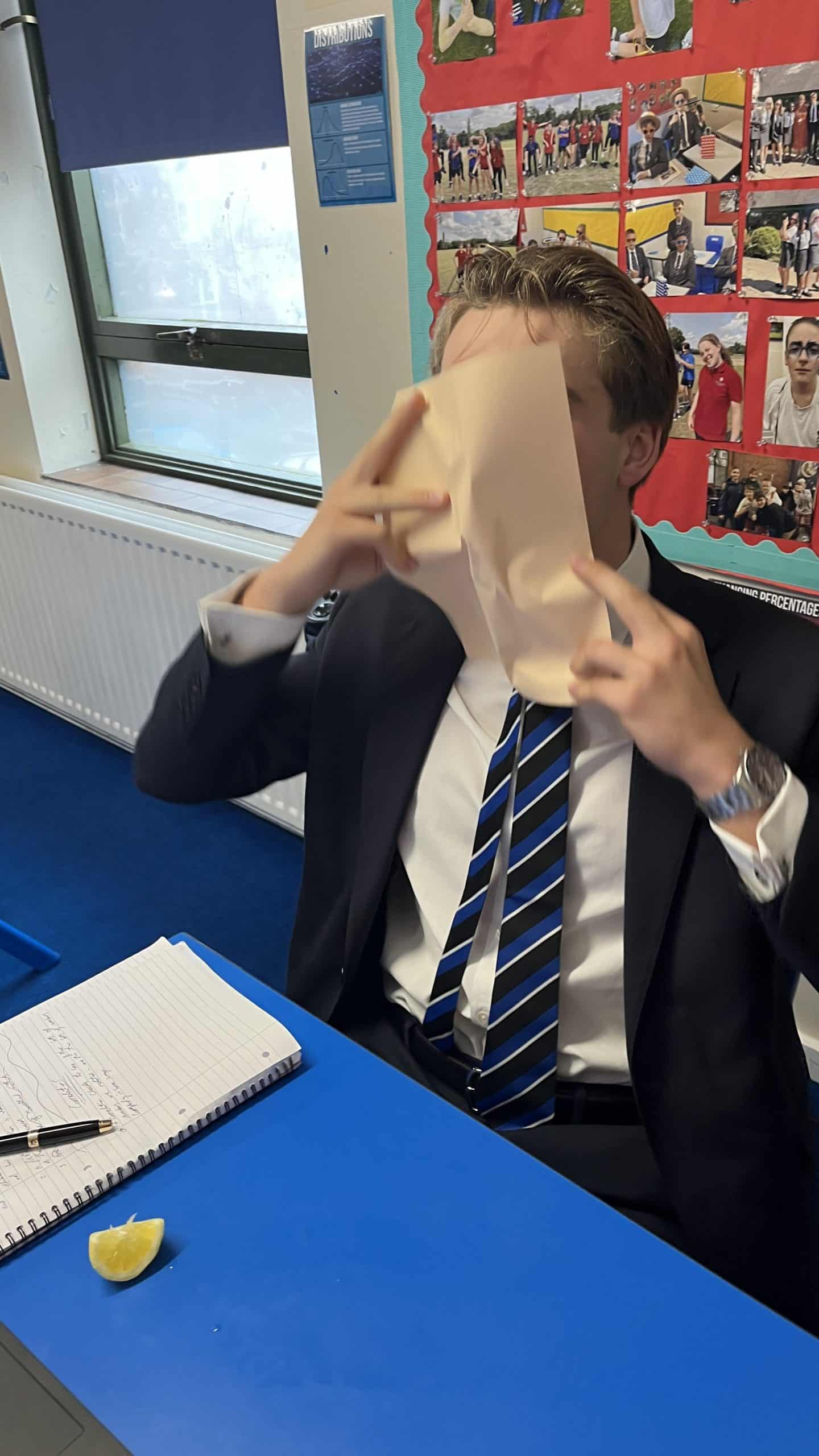
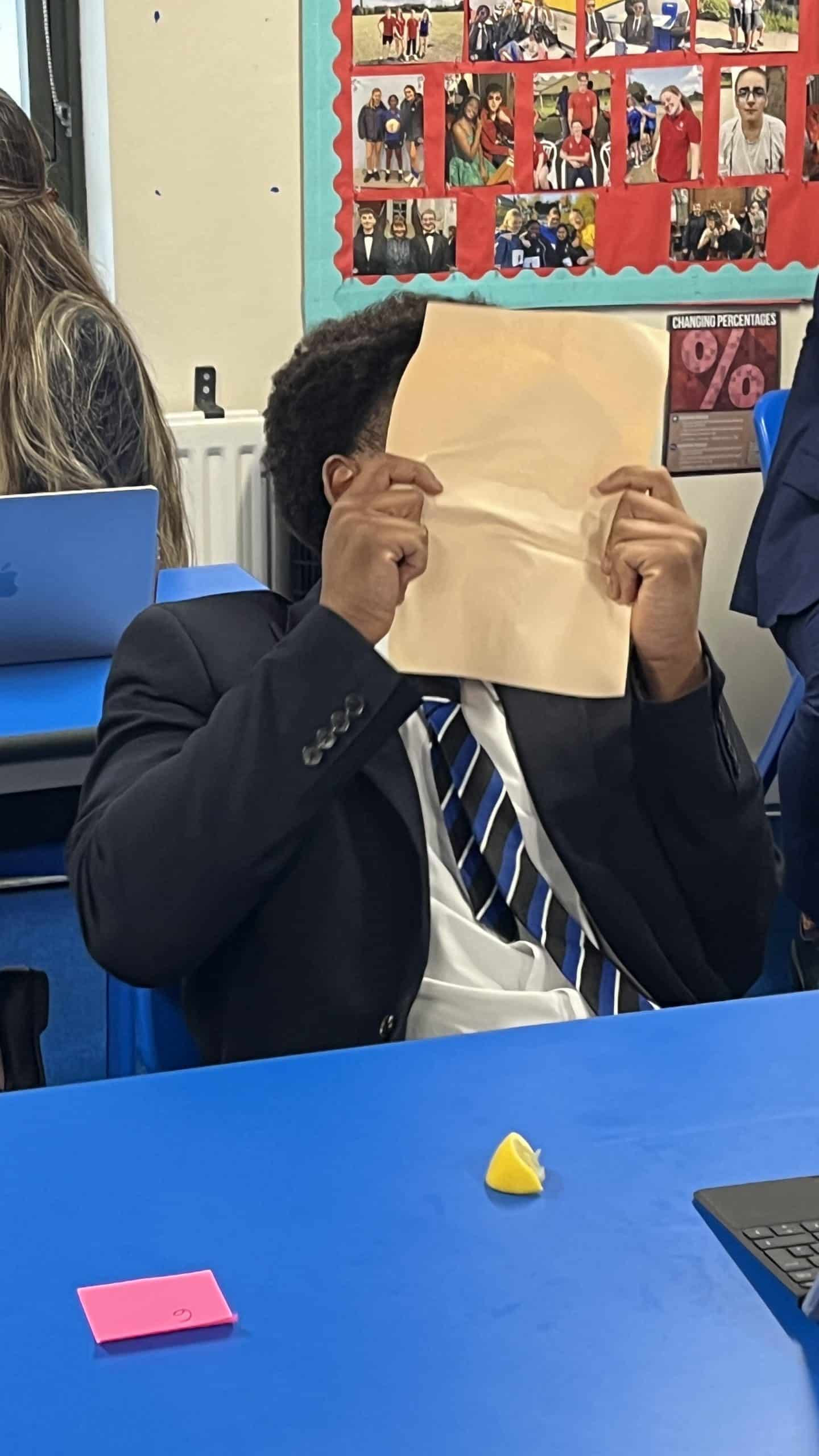
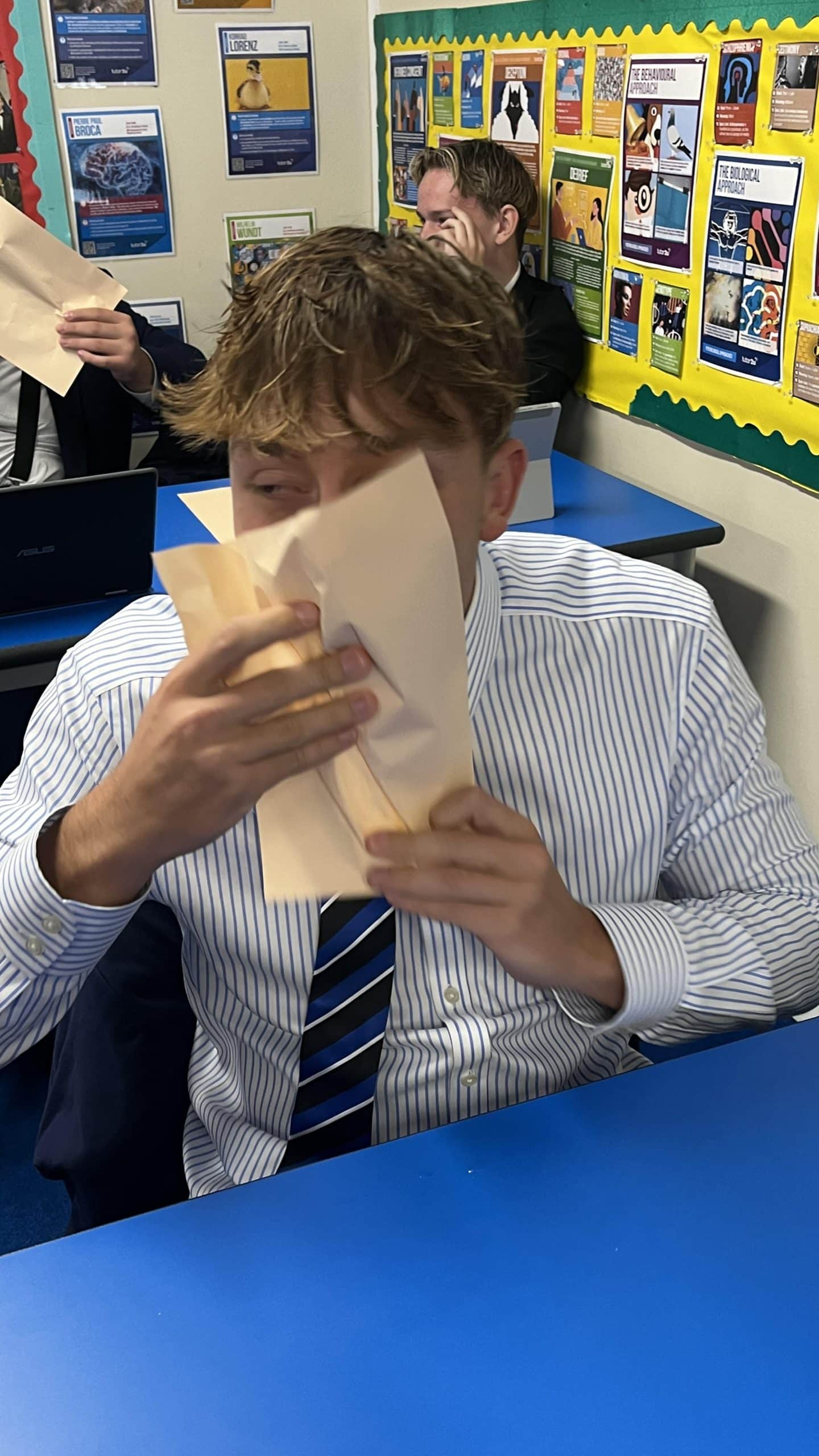
L6 Psychology pupils have been learning different concepts in a variety of unusual ways. In a lesson about correlations they tested a theory that the amount of saliva that is produced during a lemon test is correlated to a person’s personality type by counting how many licks they can do on a piece paper in 2 minutes! They completed Eysenck Personality Test beforehand to assess the Extraversion scores. There was lots of laughter especially when eating lemons at the end!
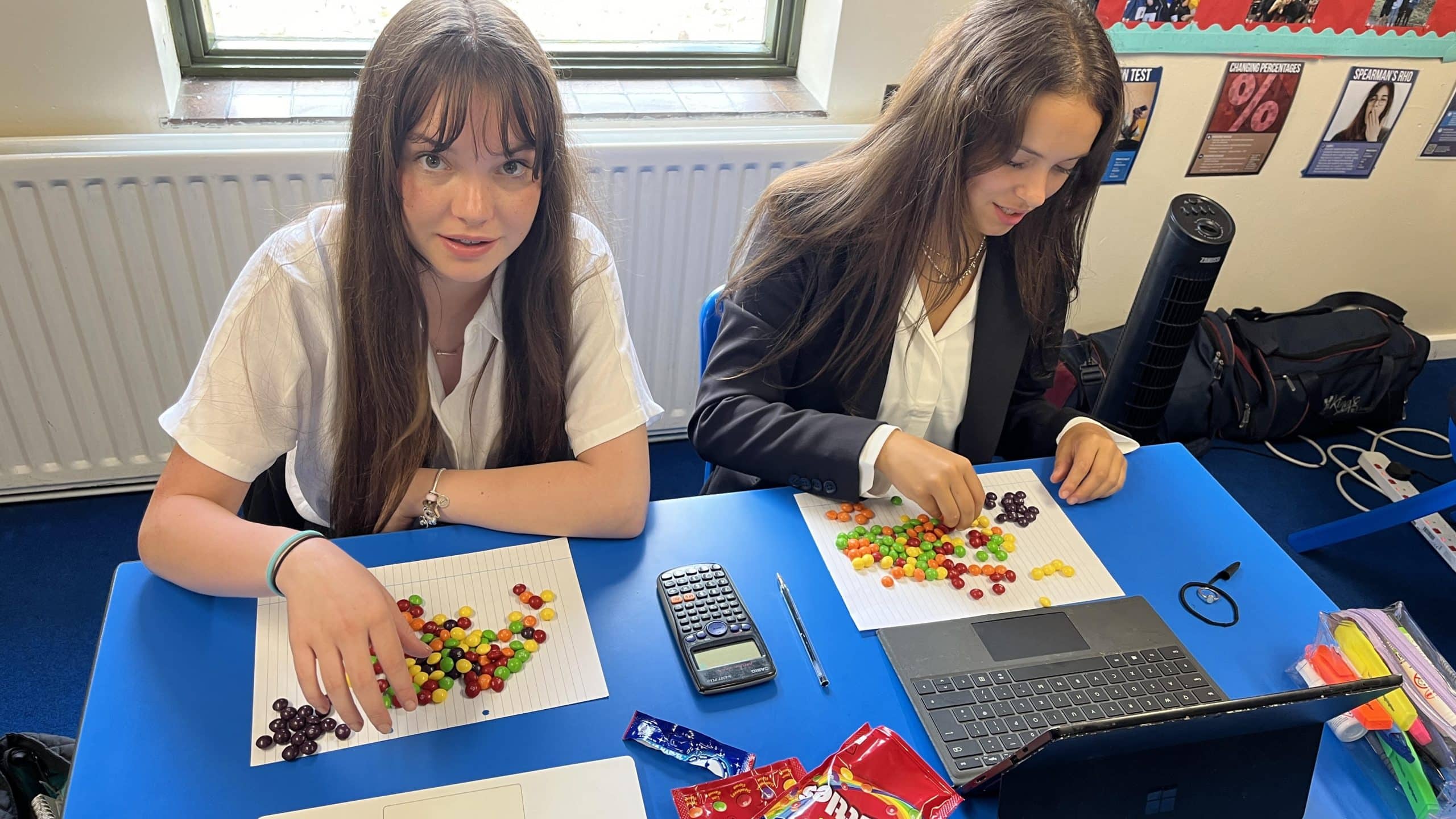
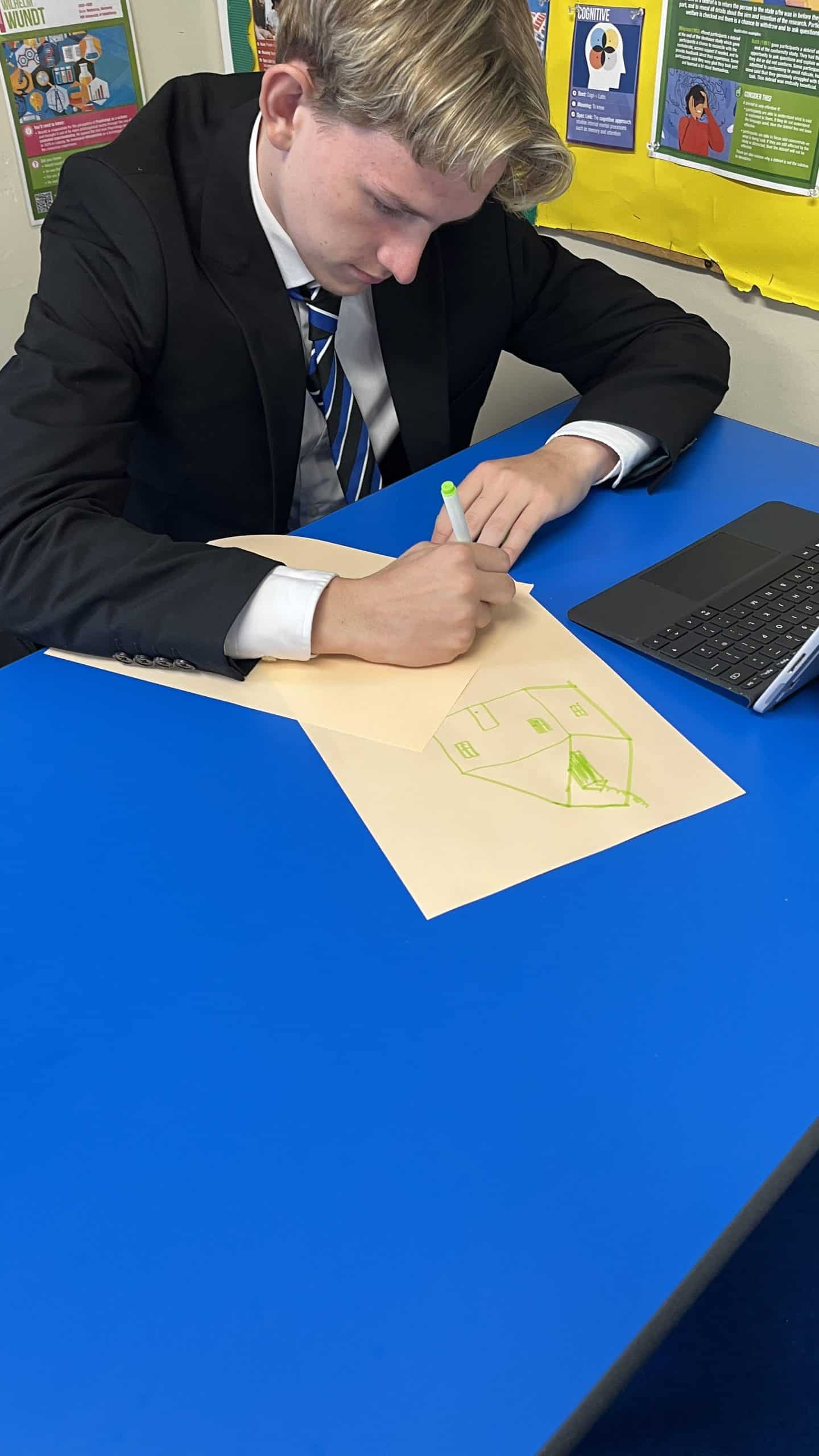
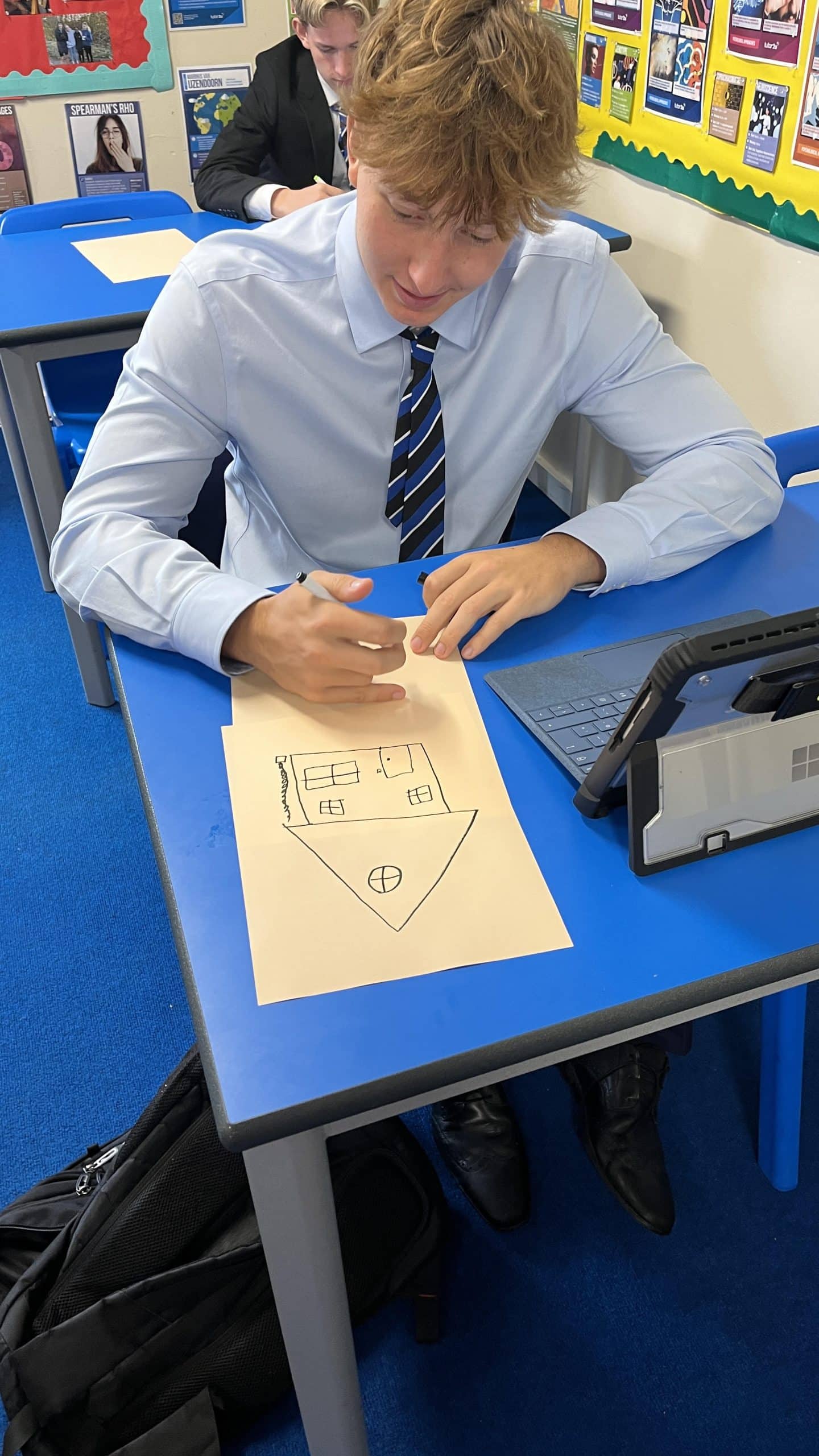
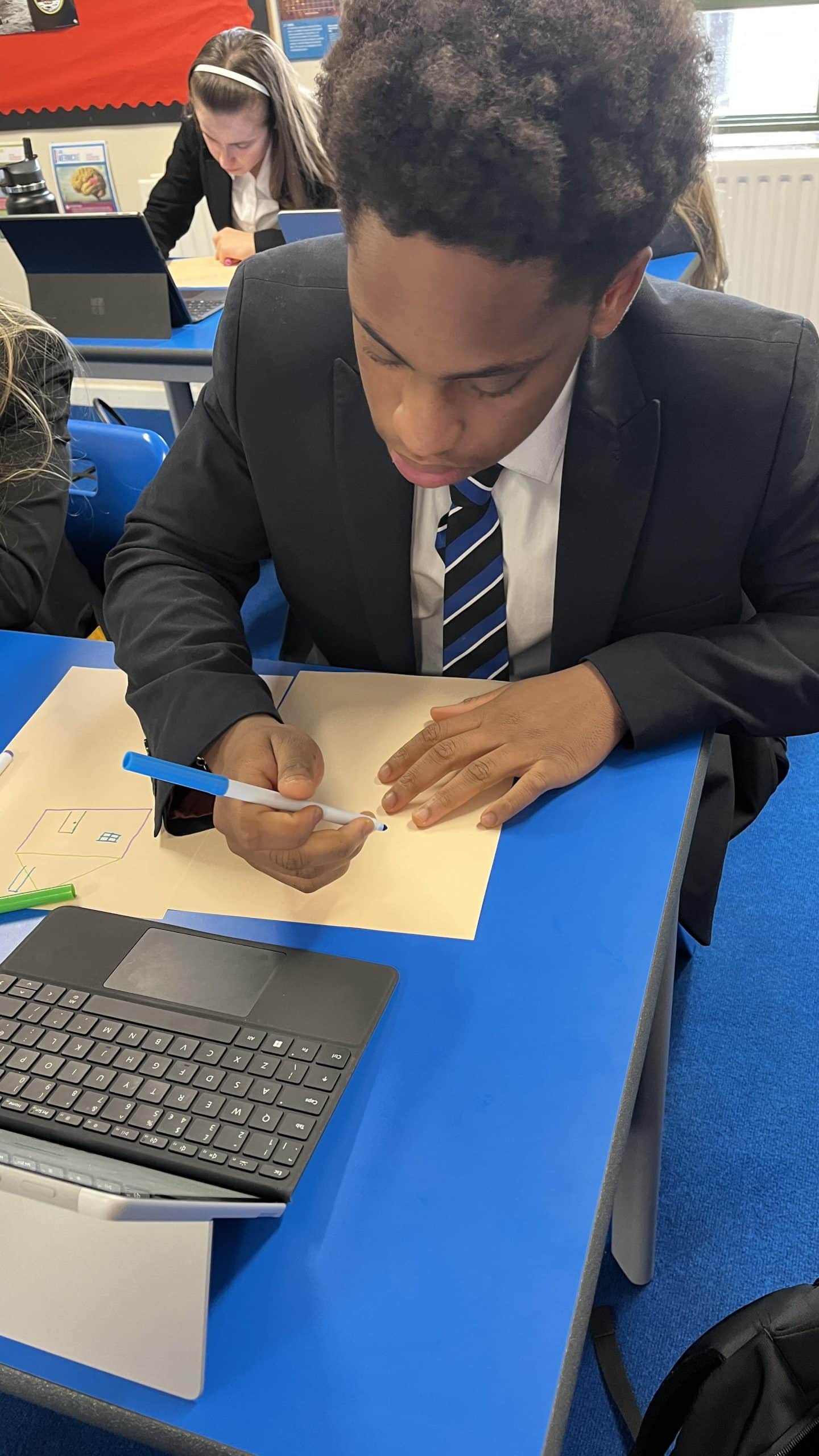
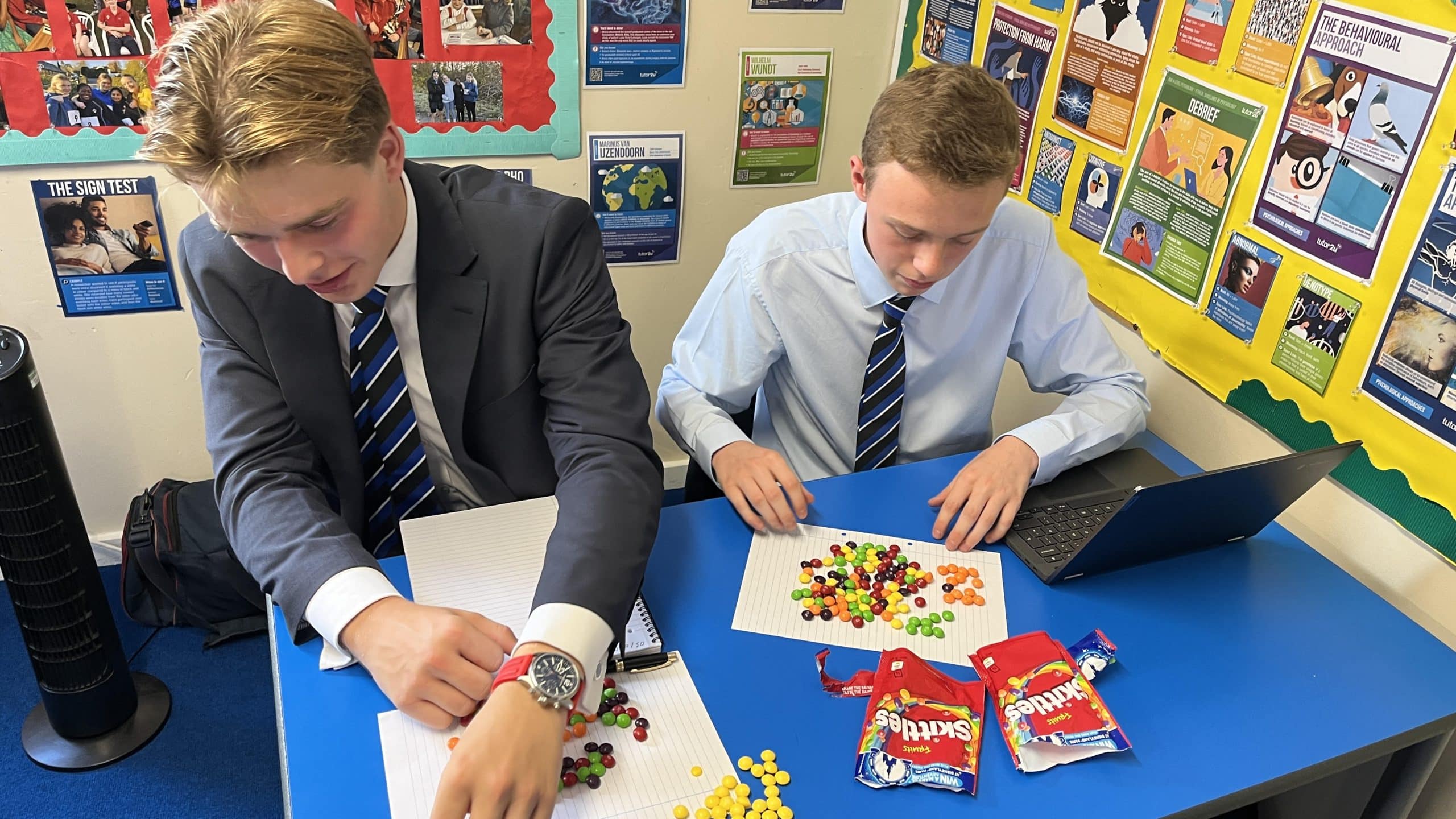
On a sweeter note pupils then learnt about different sampling techniques that researchers can use to choose their sample. The best way to learn these different techniques – use skittles to learn the vocabulary! In a lesson about the concept of reliability in research their task was draw a house and then write the instructions for someone else to draw the same house! Much laughter ensued when they realised that their friends’ drawings of their drawings didn’t match despite standardised instructions! More photos here.
Related Posts
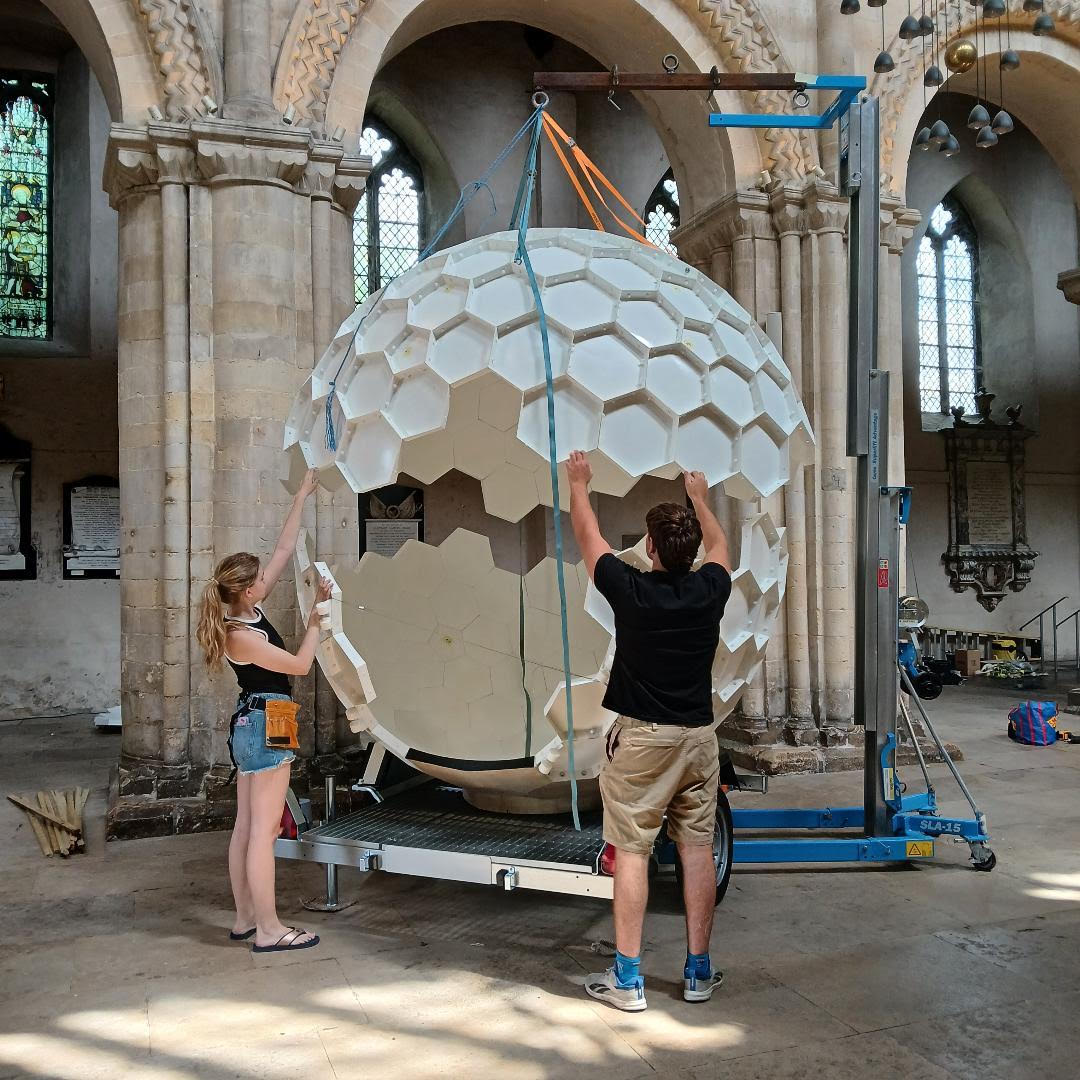
Upper Sixth student Reuben D has played a vital role in bringing a major new artwork to life at Rochester Cathedral, earning high praise from local artist Matthew Darbyshire for his extraordinary commitment and hard work throughout the project. Reuben assisted Darbyshire in constructing White on White, an ambitious sculpture commissioned by Rochester Cathedral [...]
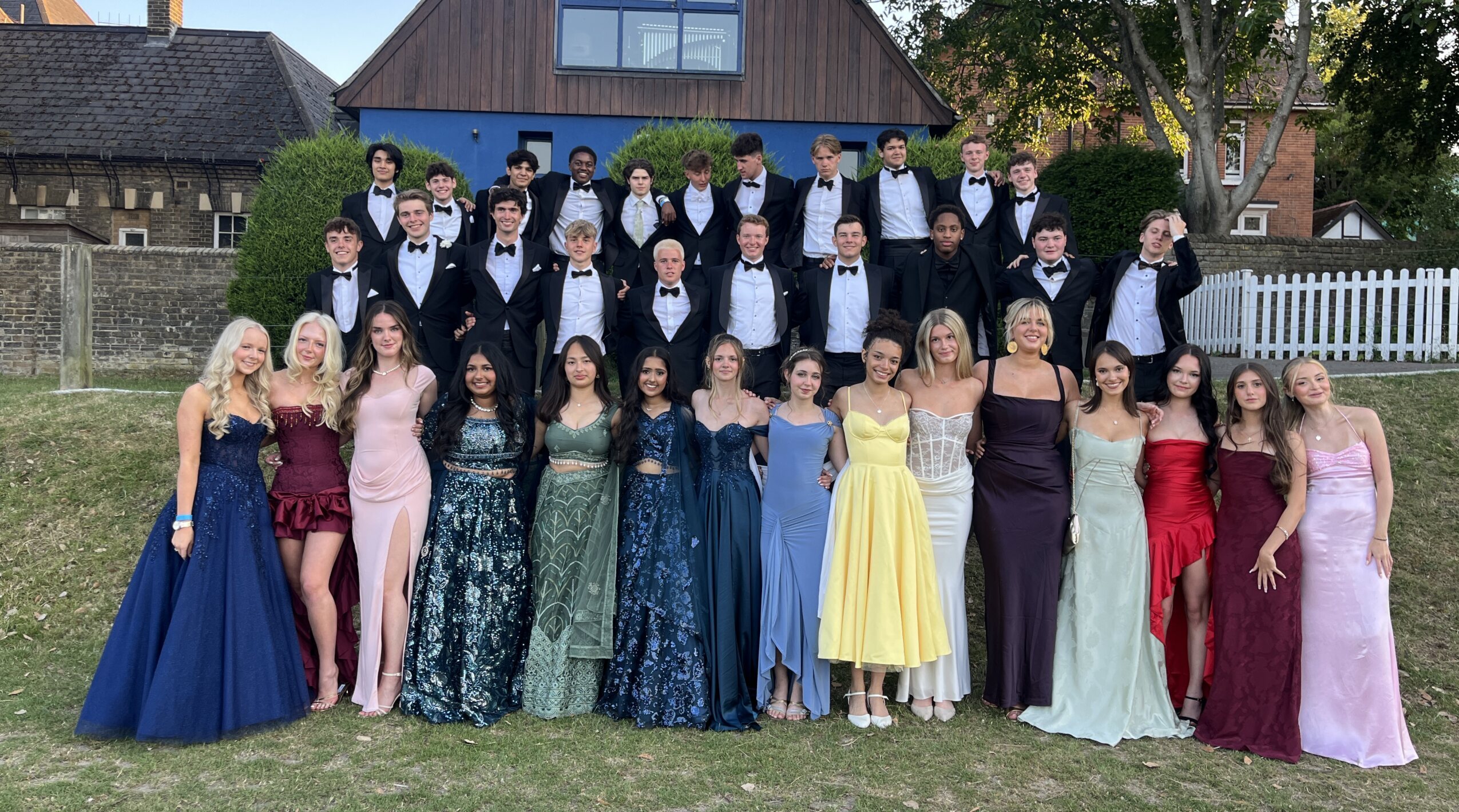
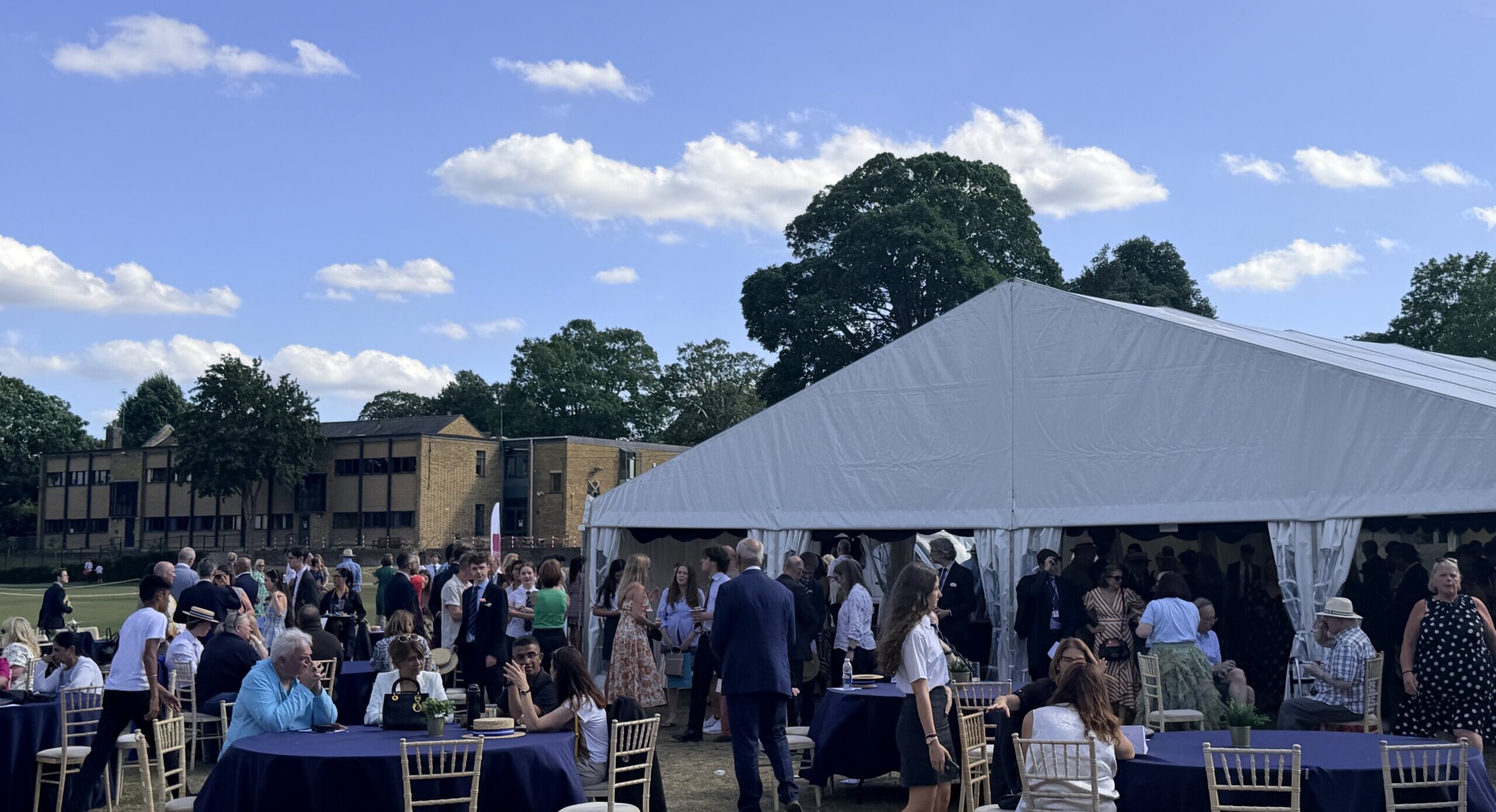
The Paddock was transformed into a spectacular venue for this year’s Summer Ball, with the Cathedral and castle providing the perfect backdrop. Guests gathered in a beautifully decorated marquee to celebrate the end of the academic year, bringing together parents, staff and Upper Sixth leavers for an unforgettable night. The atmosphere was fantastic, with [...]
The historic nave of Rochester Cathedral provided a magnificent backdrop for this year’s Speech Day and Prize Giving on Saturday, 4 July. The ceremony opened with the National Anthem, followed by an address from Mr John Maas, Chair of Governors, who reflected on the School’s continued growth and future strategic direction. Head of School [...]