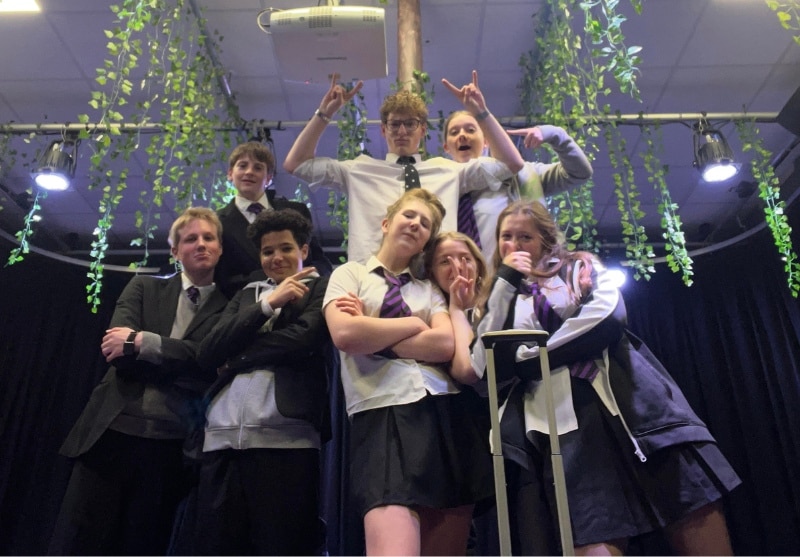
Mr Medhurst writes:
Thank you for sharing your wonderful production of “DNA” on Friday evening.
Although I was familiar with Dennis Kelly’s play, this interpretation was particularly compelling. The studio staging was intimate, the claustrophobia conveying the suffocating moral dilemma shared by the group, and yet the actors avoided any sense of self-consciousness. Despite being within whispered earshot of the audience, each actor avoided those embarrassing moments of shared, snatched eye-contact, but there was a connection between characters and viewers as the cast confidently relied on the expressive qualities of voice and body.
The clarity of expression was strong, especially in the early scenes when the dialogue is often repetitive and machine-guns between actors, but the pace was managed adroitly to convey the enormity of the group’s escalating crimes.
Pupils used the space well, especially the entrance and exit points, which served as hiding points for those characters like Brian on the fringes of the gang and yet to be corrupted by John Tate’s powerful, insidious malevolence. The use of regular, total blackouts spoke both to the episodic nature of the story and the disconnect that the characters exhibited, thus emphasising their inability to really empathise with others and this highlighted their fatal self-interest. Even the carpet of leaves and the ivy-clad pole evoked the primitive instincts at play here.
Related Posts
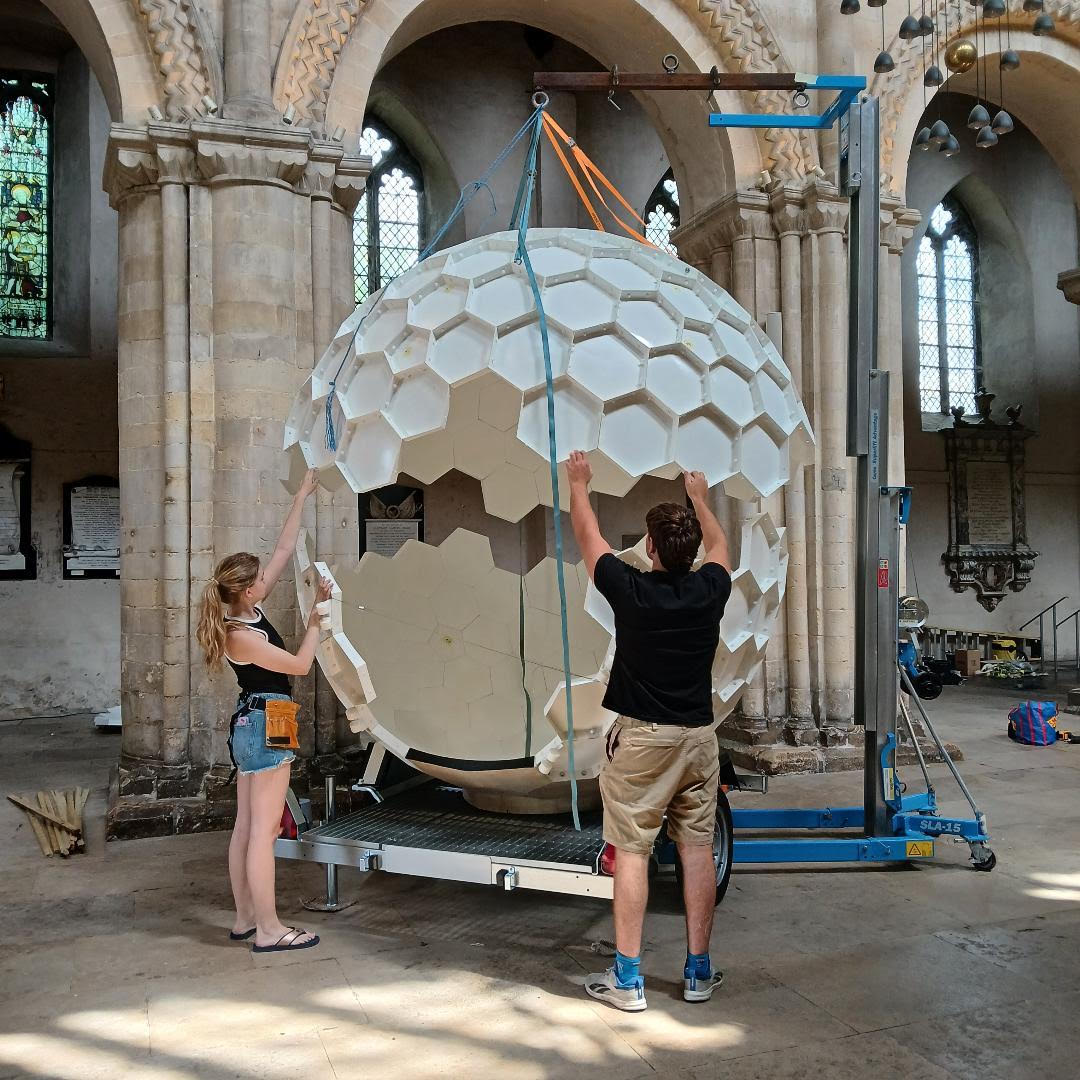
Upper Sixth student Reuben D has played a vital role in bringing a major new artwork to life at Rochester Cathedral, earning high praise from local artist Matthew Darbyshire for his extraordinary commitment and hard work throughout the project. Reuben assisted Darbyshire in constructing White on White, an ambitious sculpture commissioned by Rochester Cathedral [...]
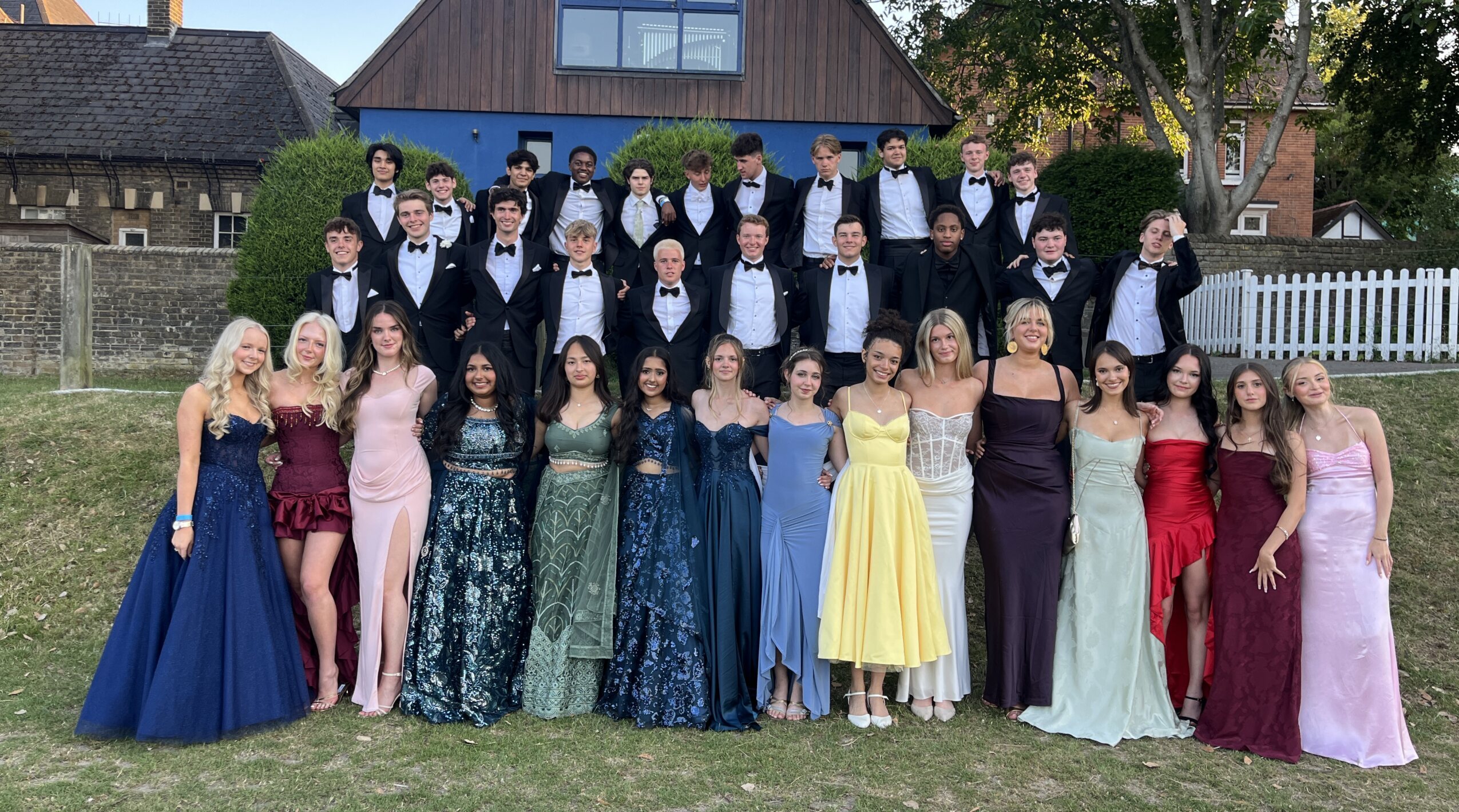
The Paddock was transformed into a spectacular venue for this year’s Summer Ball, with the Cathedral and castle providing the perfect backdrop. Guests gathered in a beautifully decorated marquee to celebrate the end of the academic year, bringing together parents, staff and Upper Sixth leavers for an unforgettable night. The atmosphere was fantastic, with [...]
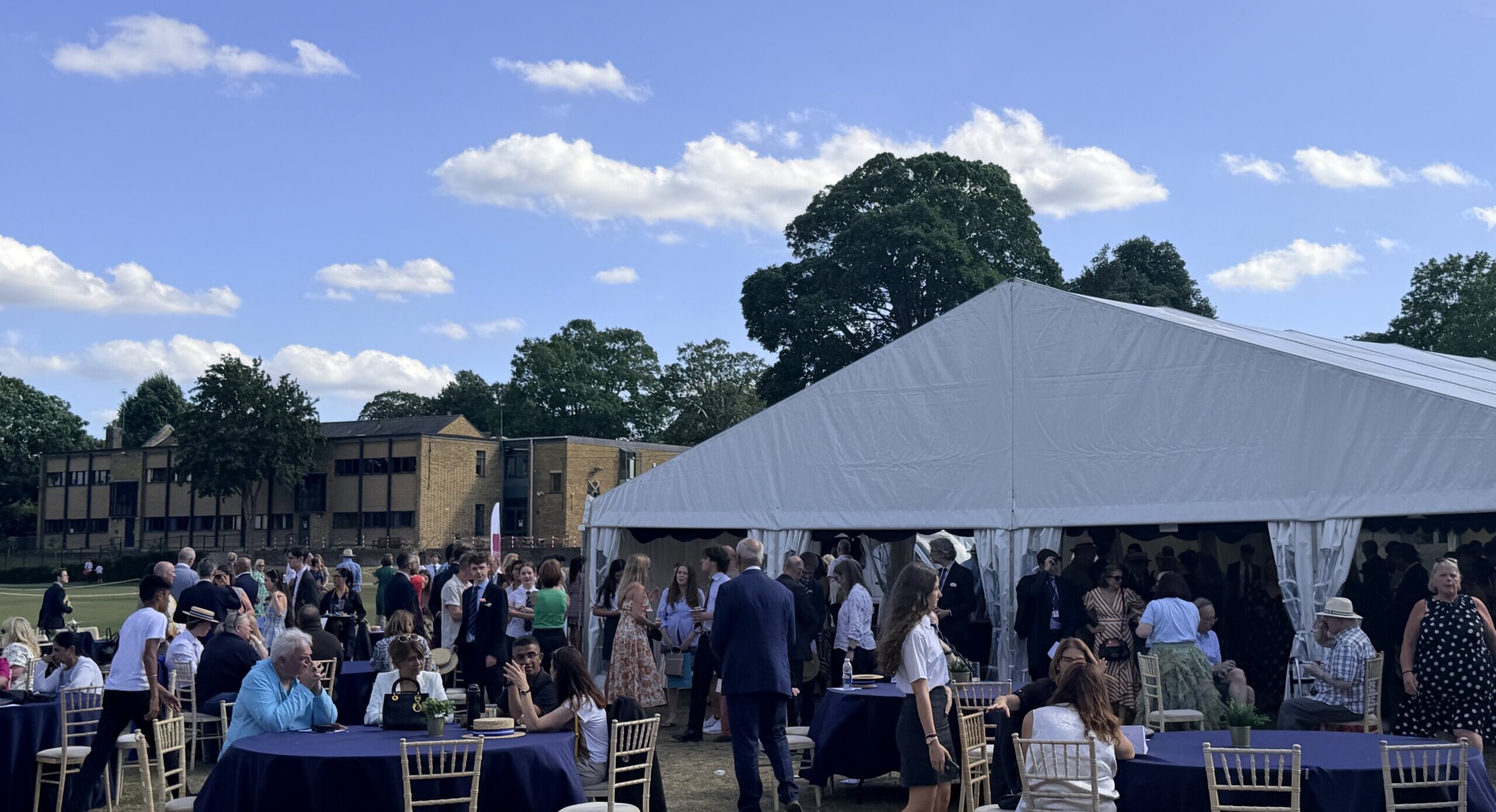
The historic nave of Rochester Cathedral provided a magnificent backdrop for this year’s Speech Day and Prize Giving on Saturday, 4 July. The ceremony opened with the National Anthem, followed by an address from Mr John Maas, Chair of Governors, who reflected on the School’s continued growth and future strategic direction. Head of School [...]