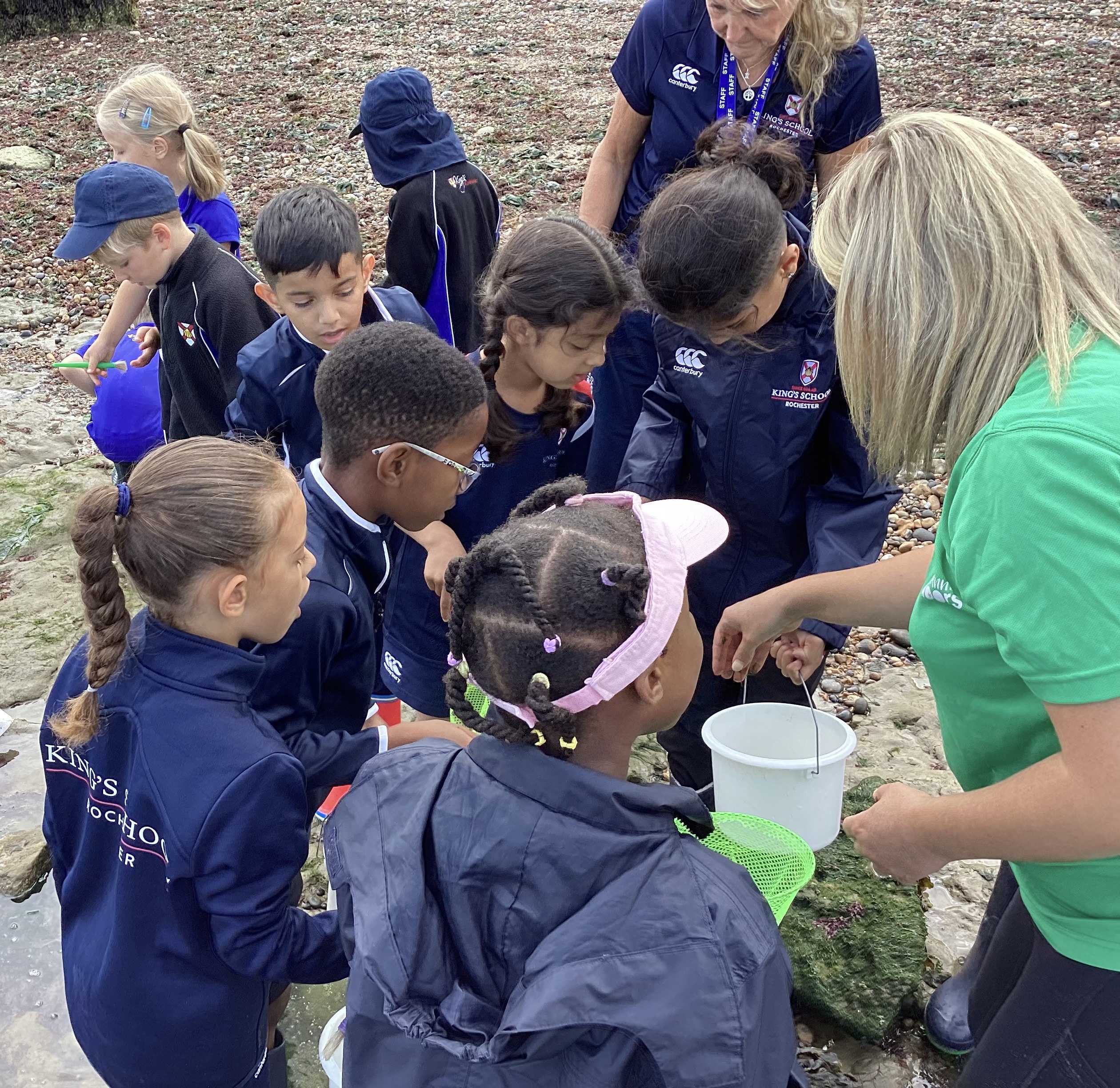
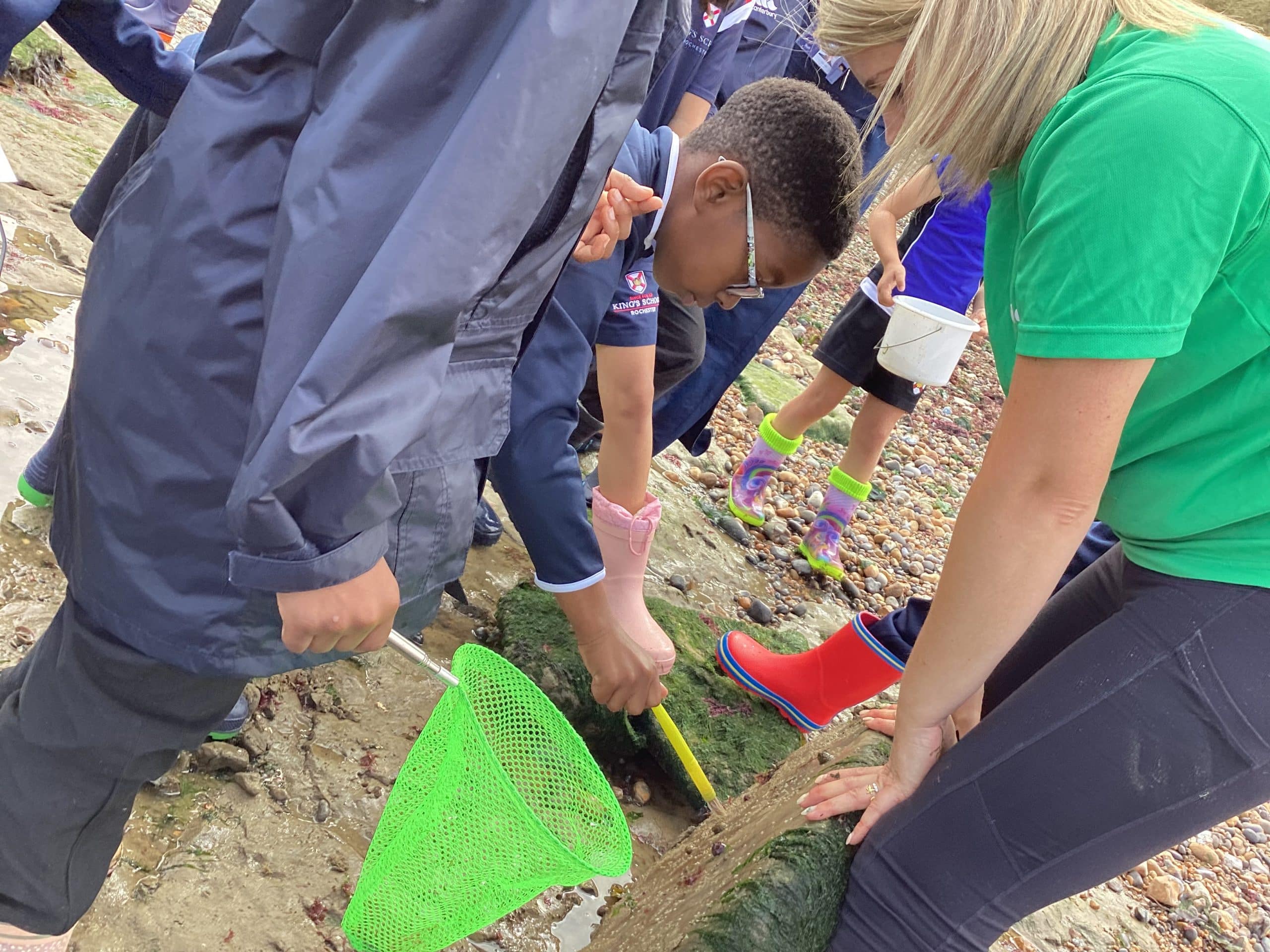
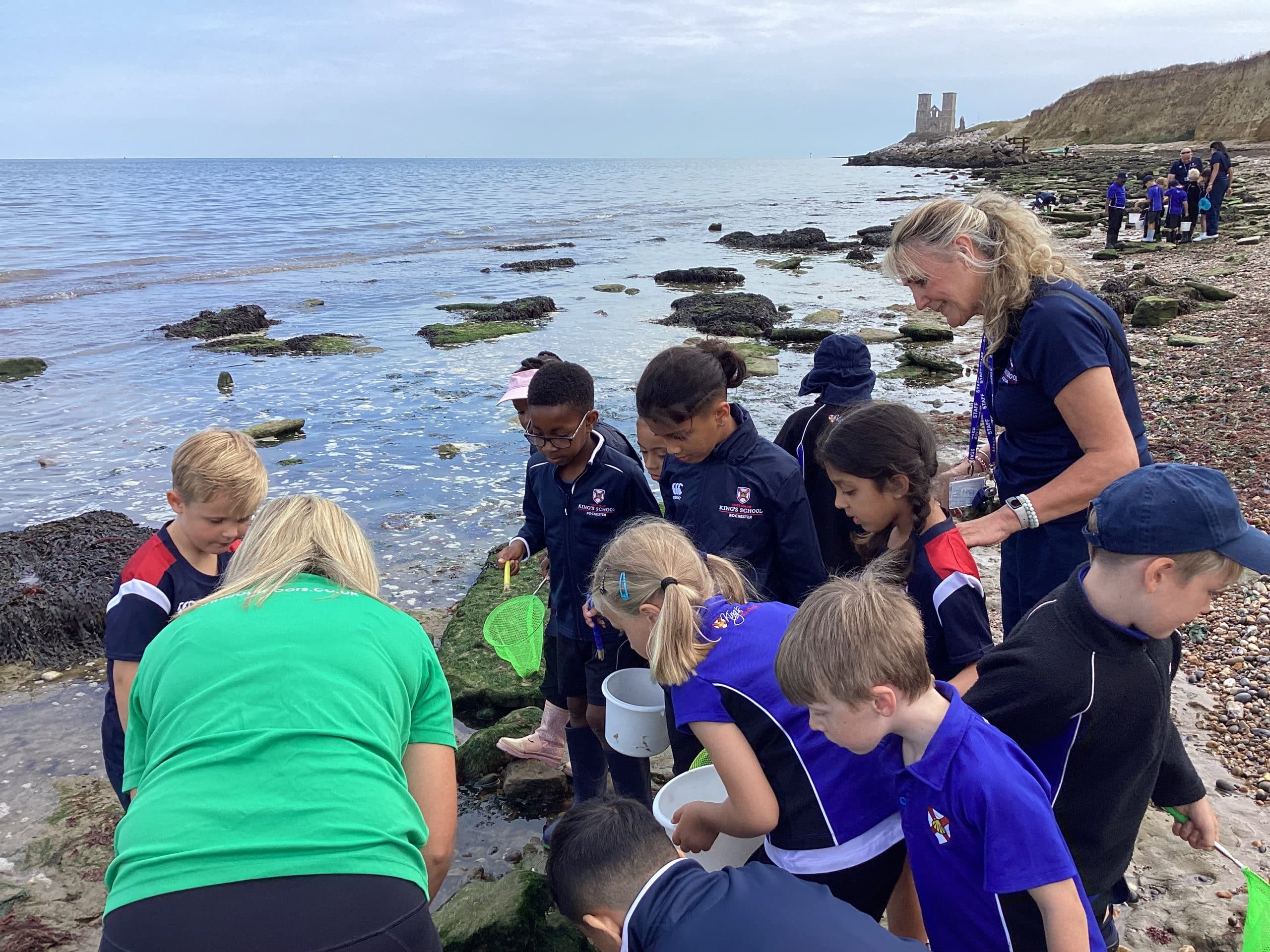
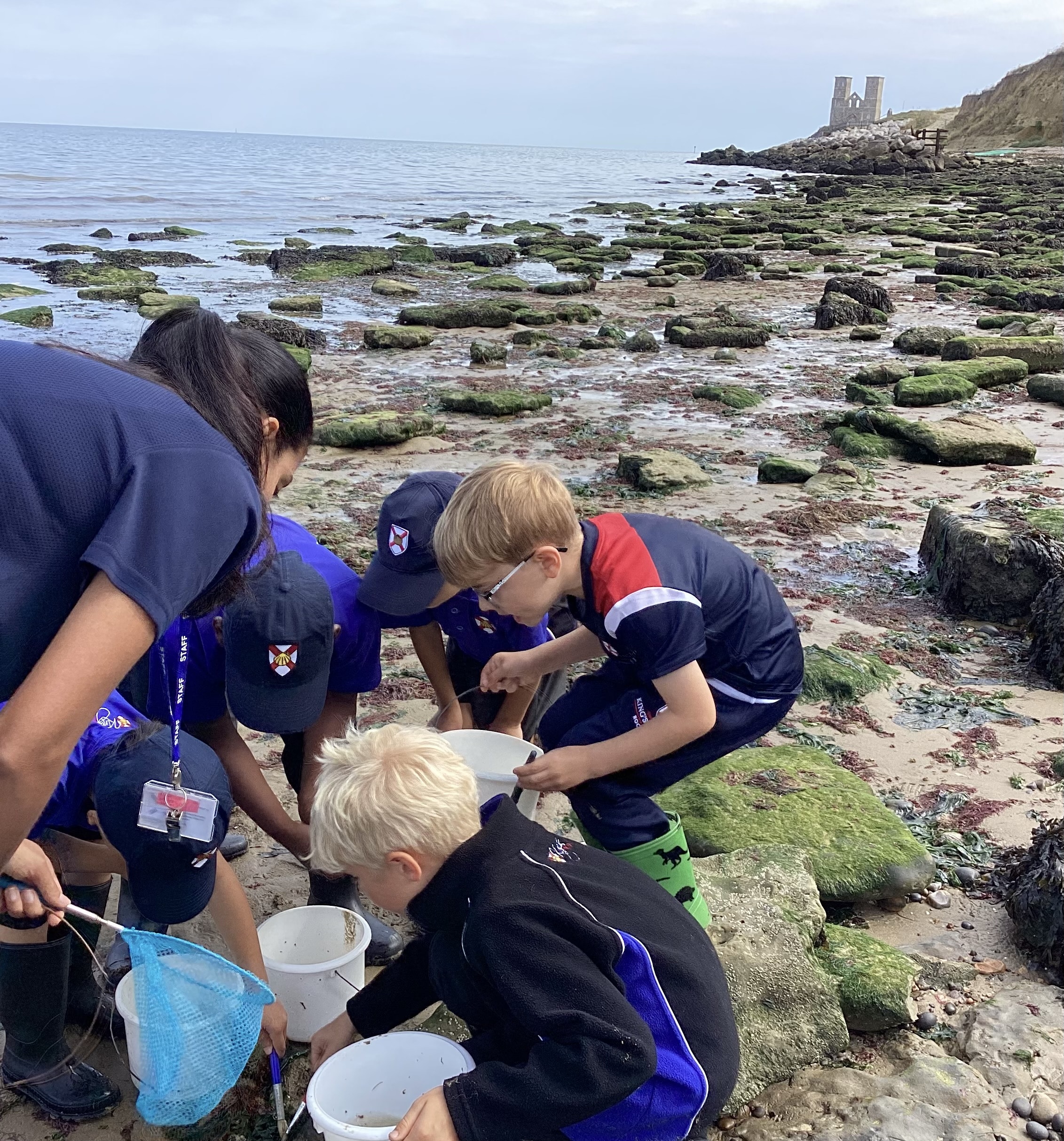
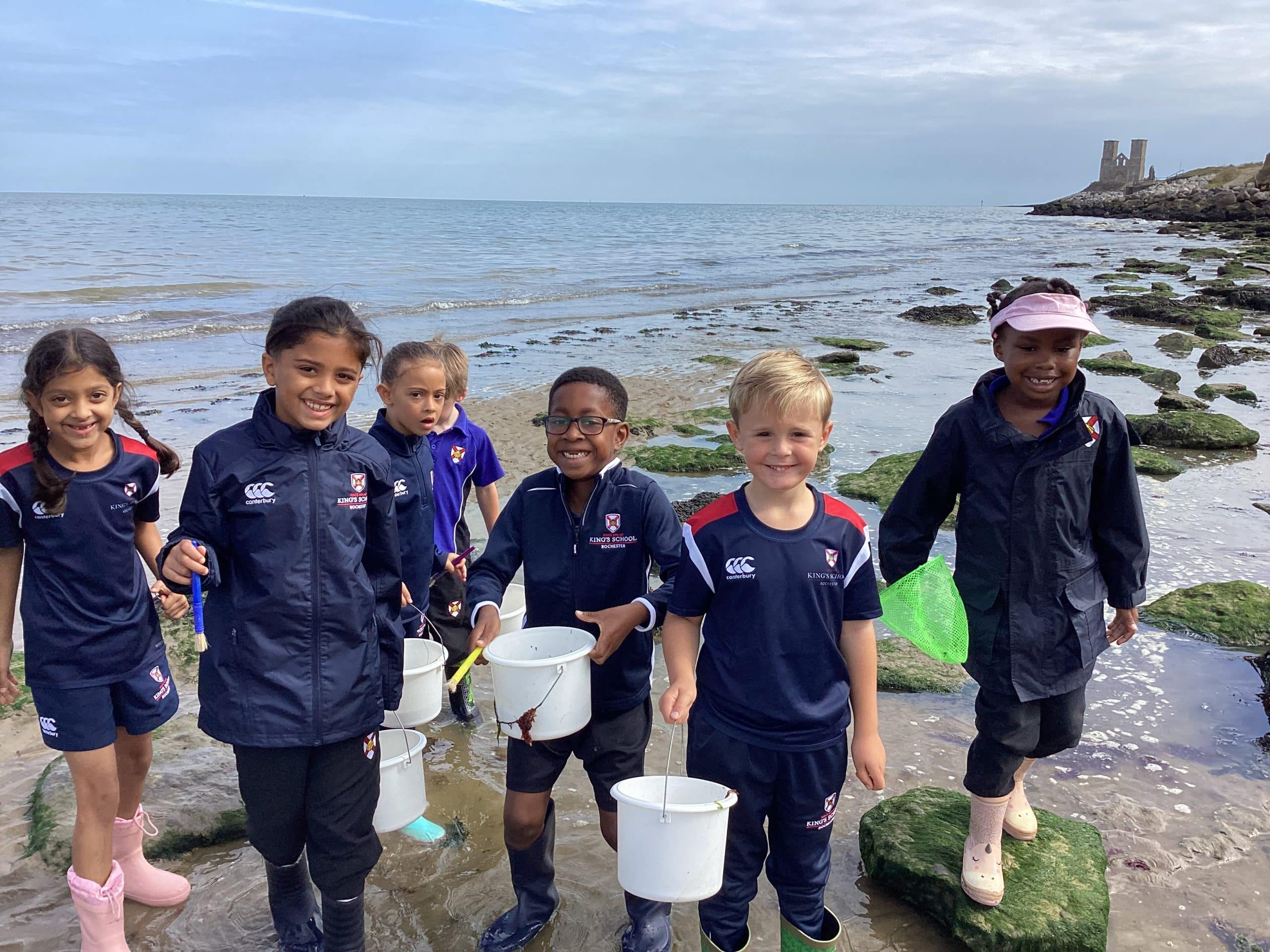
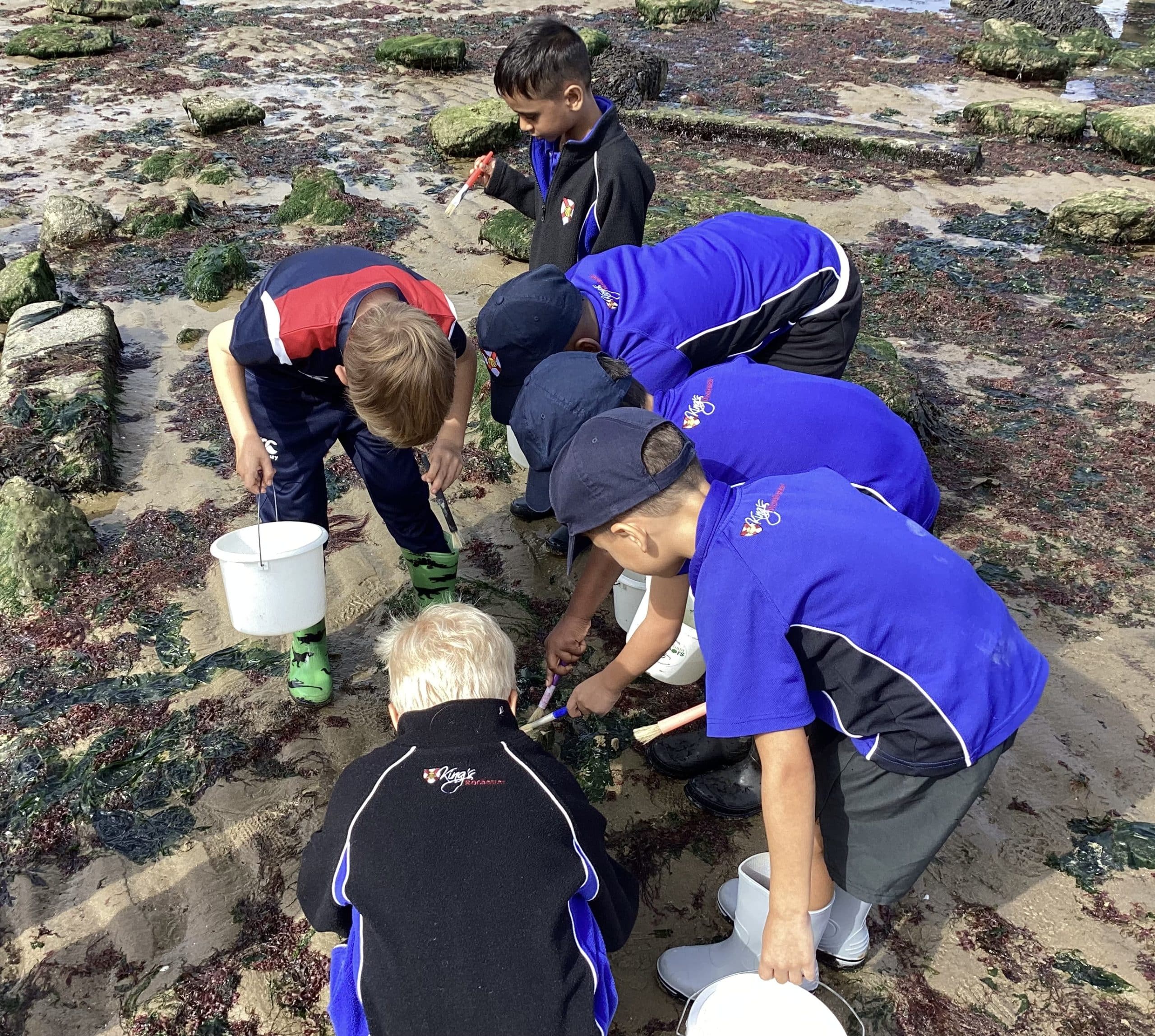
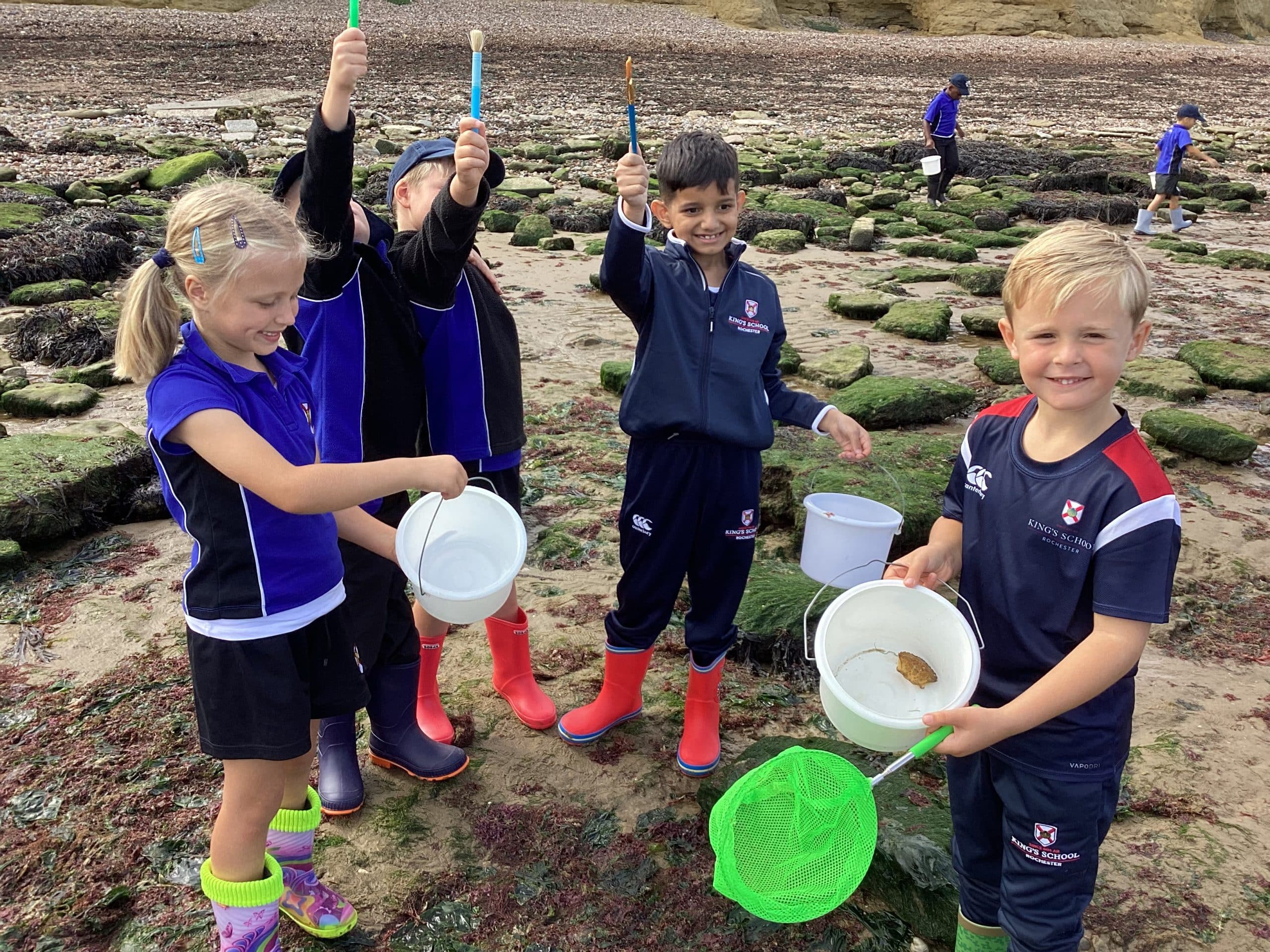
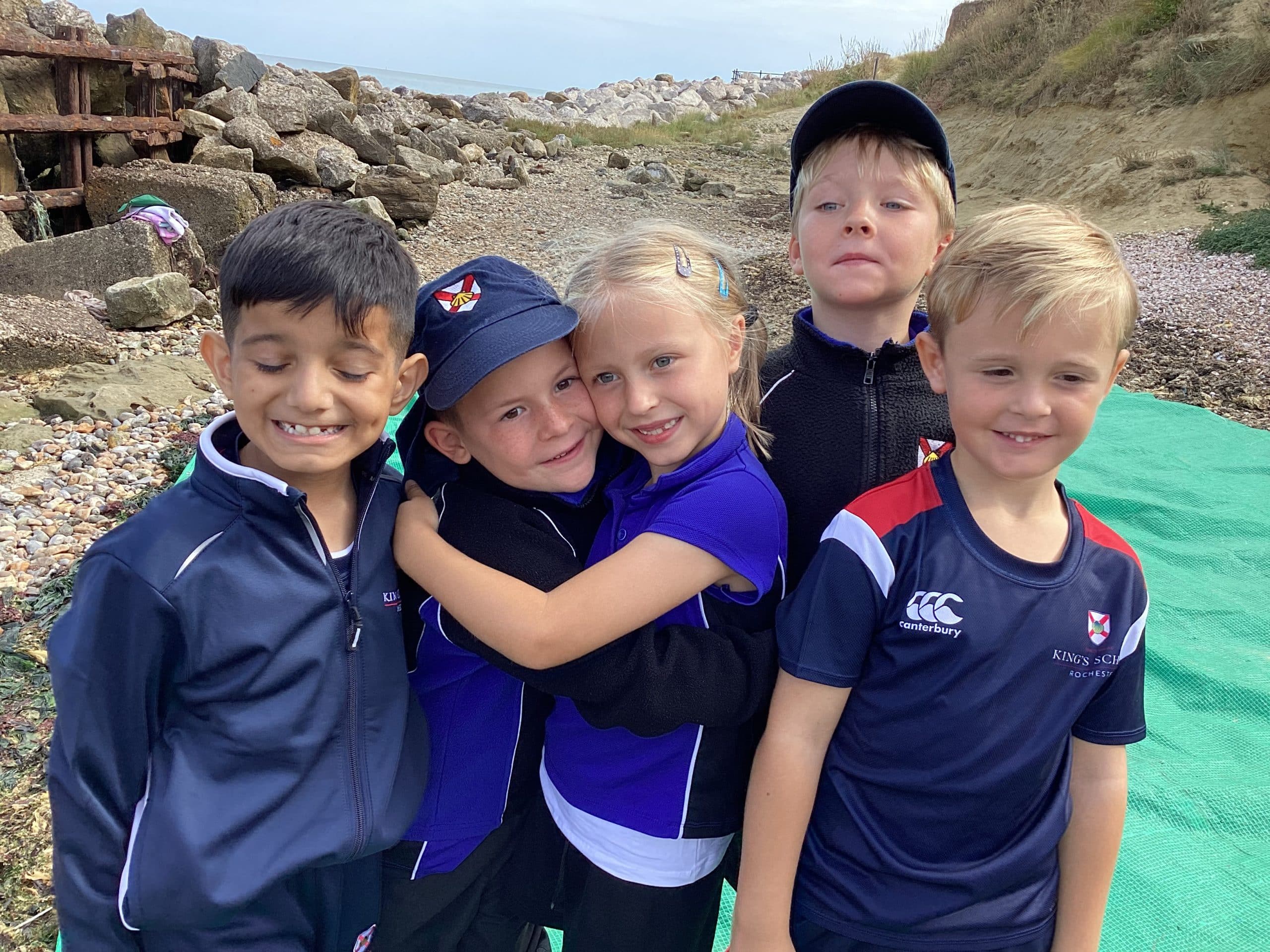
Year 2 had a wonderful day visiting the ‘Reculver Coastal Classroom,’ learning about habitats and food chains as part of their Science topic. The children spent the morning rock pooling and participated in a ‘Seashore Safari’ led by Anna.
They discovered a fantastic variety of marine life and were amazed to learn that female green shore crabs have large triangular sections underneath them that can hold around 1,000 eggs, while male crabs have more pointed undersides. Some children also found spider crabs washed up on the shore, which were reddish-orange and resembled a crusty pie on top, helping them blend into the rocky ocean floor.
A variety of large and small crabs were found, and many children bravely examined them closely to see if they had soft shells, indicating they had shed their old shells to grow. Using a spade, they uncovered juicy lug worms and rag worms, which had created pretty spiral patterns in the sand.
The largest shells they found were common whelk shells, which looked like a helter-skelter! Their eggs were funny and resembled Rice Krispies! Cuttlefish bones were also found, which provide a great source of calcium for birds.
As the children explored the shore in search of thornback rays and small-spotted cat sharks, which are common around the UK, they found Mermaid’s purses—their egg cases—washed up on the beach.
Year 2 also discovered slipper limpets, otherwise known as “devil’s toenails,” because they grow together and twist as they develop. Inside, they spotted a slimy sea snail. There was plenty of algae and seaweed on the rocks, providing food for the slipper limpets.
As the groups turned over rocks in the rock pools, they found squidgy blobs of jelly called anemones. “Don’t make an enemy of anemones!” The children learned that these creatures love eating and feed on microscopic plants, shrimp, or even crabs. They were surprised to find out that anemones, like starfish, have their mouths and bottoms in the same place!
The children carefully stepped over slippery seaweed, which had air bubbles to stay buoyant and absorb sunlight. They also found sea lettuce, a common seaweed that looked like dragon snot, along with toothed wrack (serrated wrack) seaweed. Sand hoppers were everywhere, both hopping over the children and working hard under the seaweed, eating and cleaning up the beach.
Some beautiful oyster shells were also found, likely having escaped from Whitstable, where they are farmed at sea.
As the children made their way back along the path, they saw sea defences protecting the sandy and clay cliffs from erosion. They learned that the sea eats away at the cliffs by about 1 metre each year, much like pouring cream over an apple crumble!
In the afternoon, the children took part in the fun ‘Marine Life Olympics’. They all started as anemones, wearing ribbons as tentacles to “sting” creatures and catch them for food. They learned how anemones need to stay wet at all times, with their greatest fear being drying out. Competing in teams, they filled buckets with salty water until their anemones were submerged.
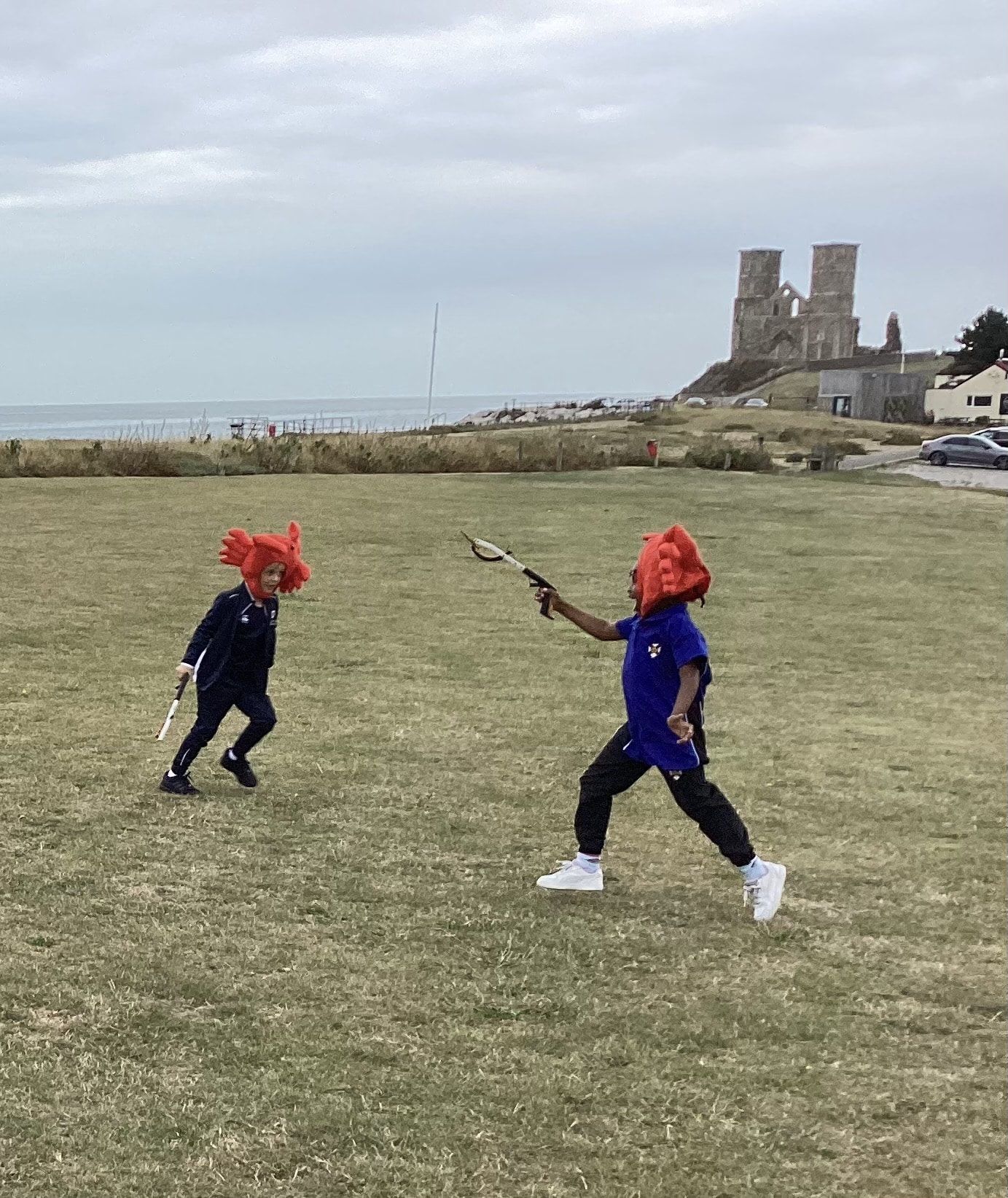
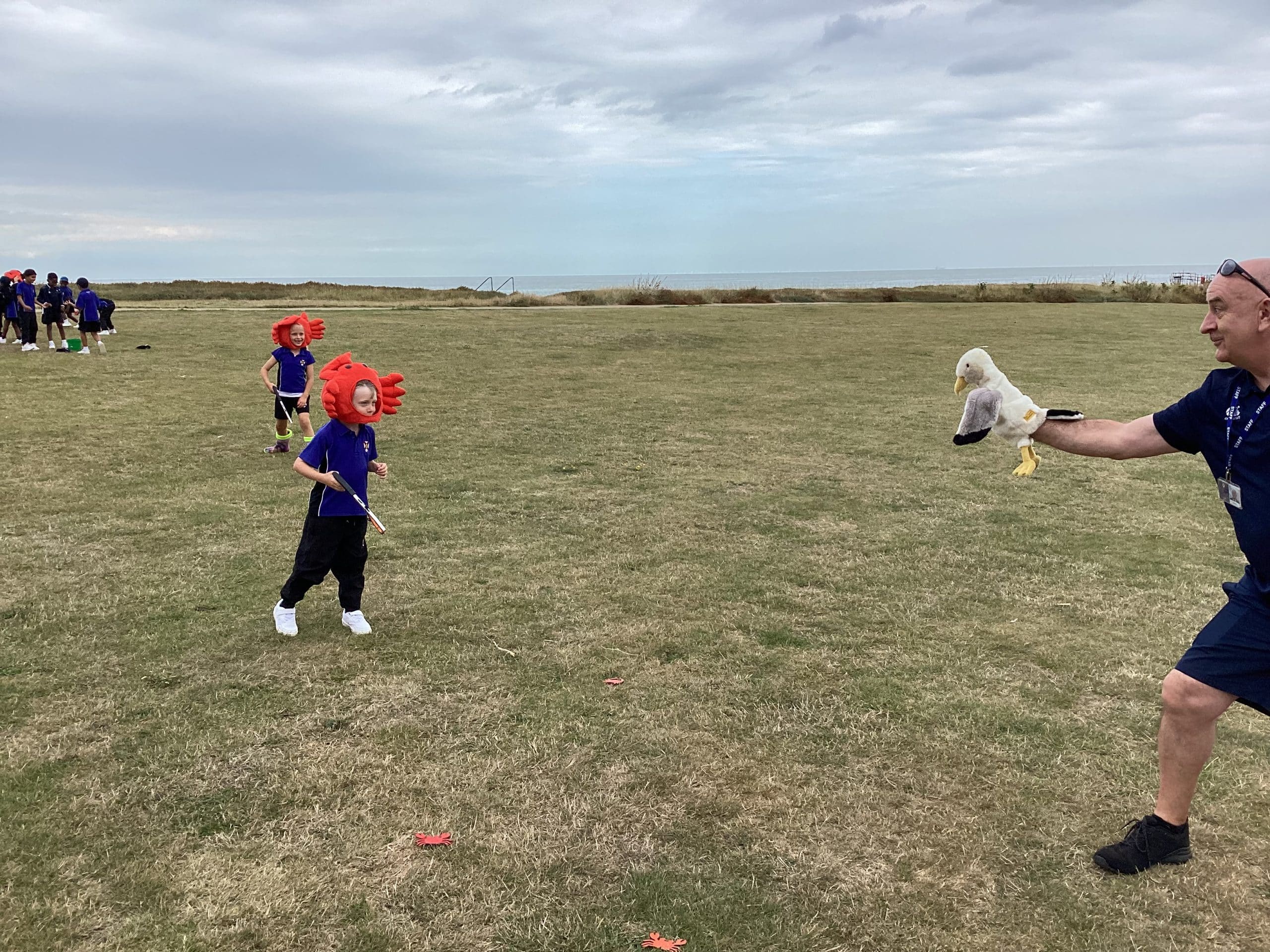
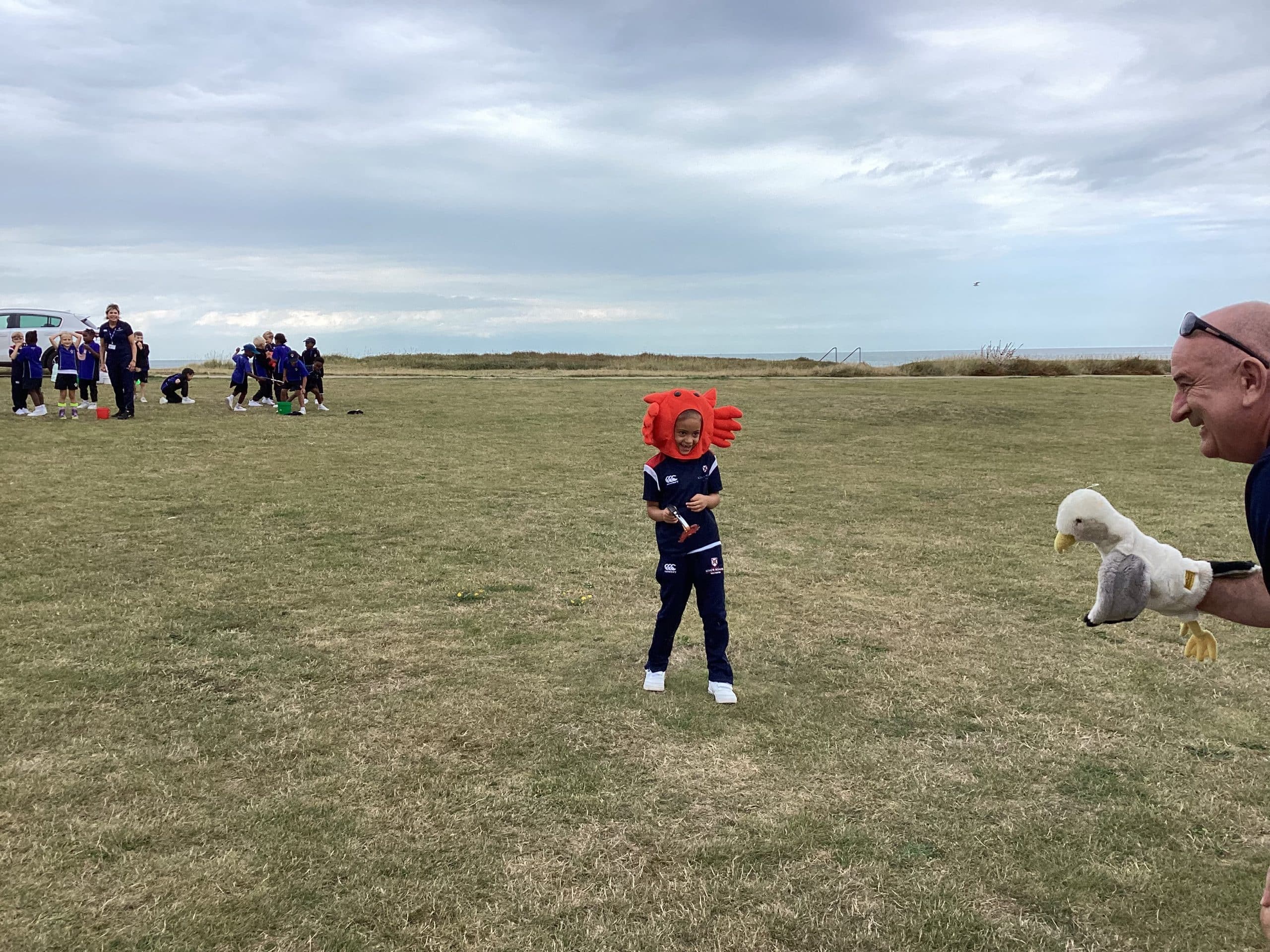
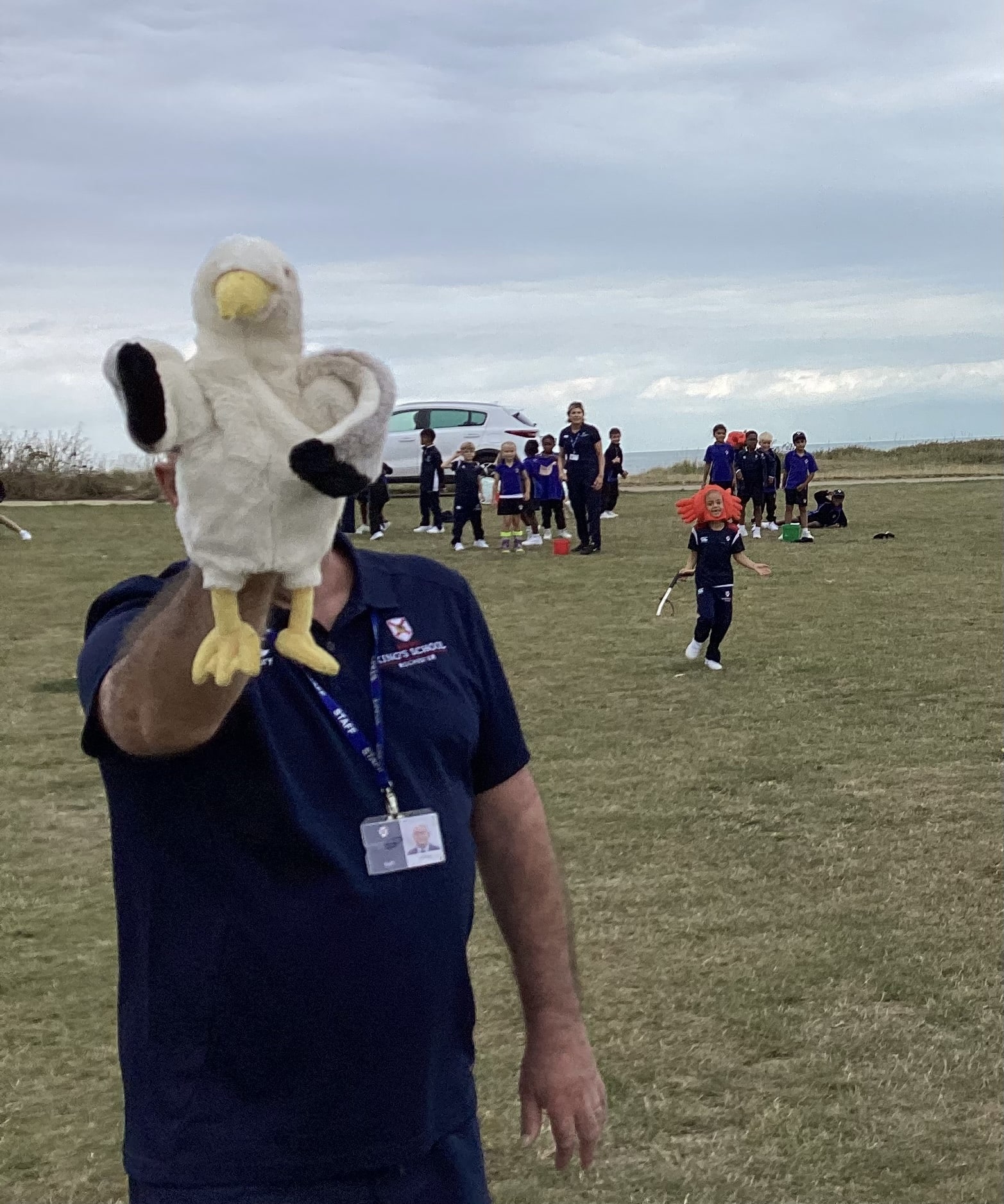
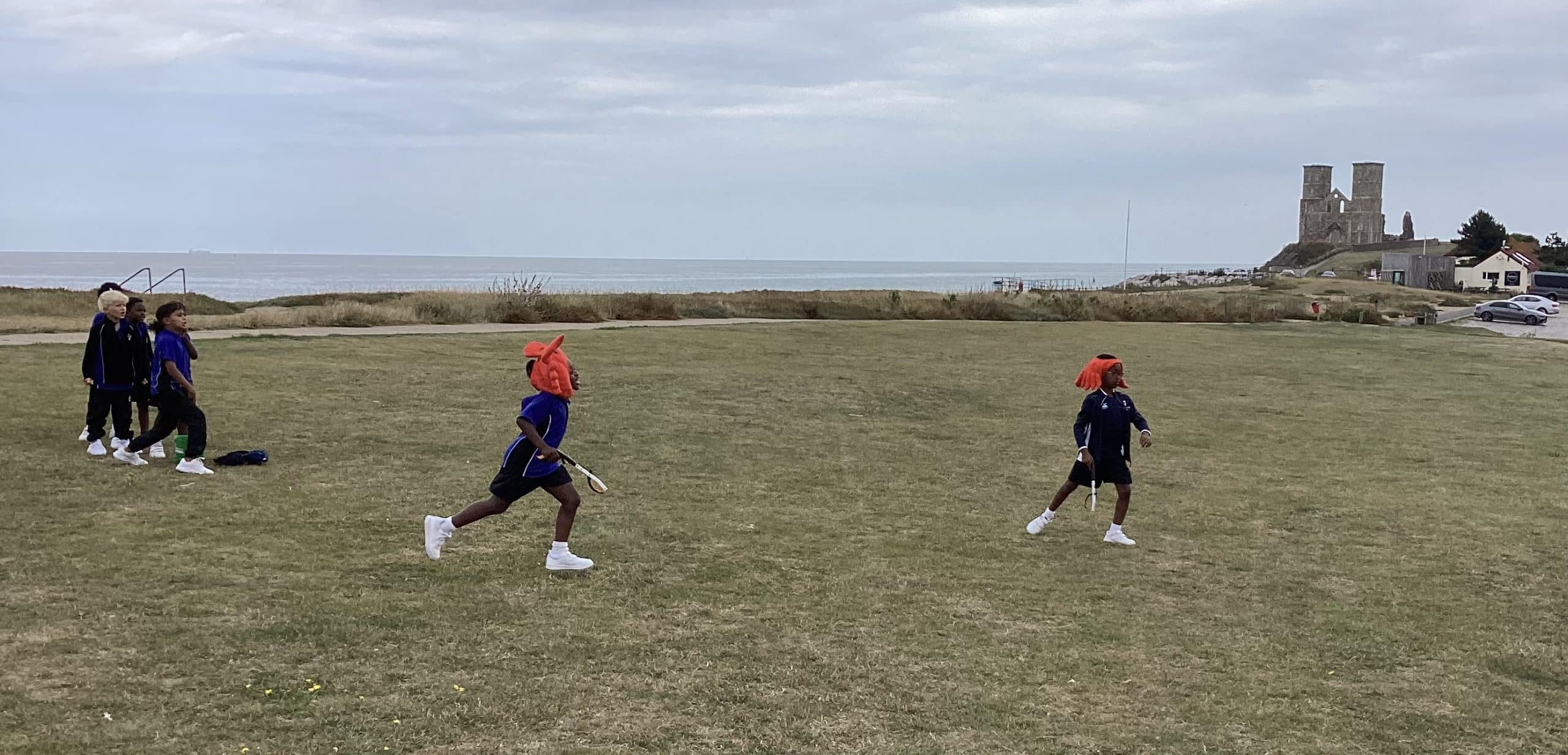
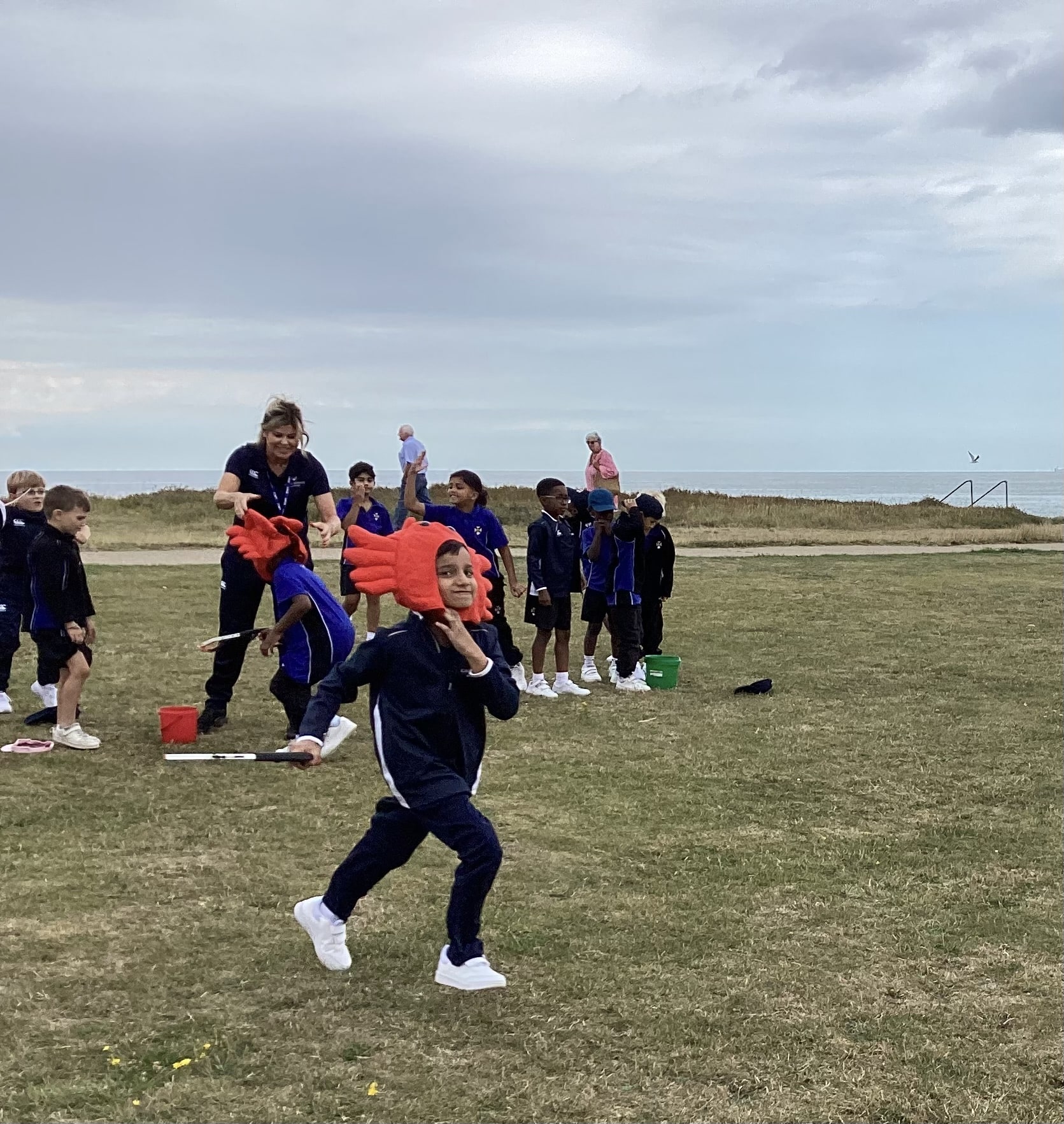
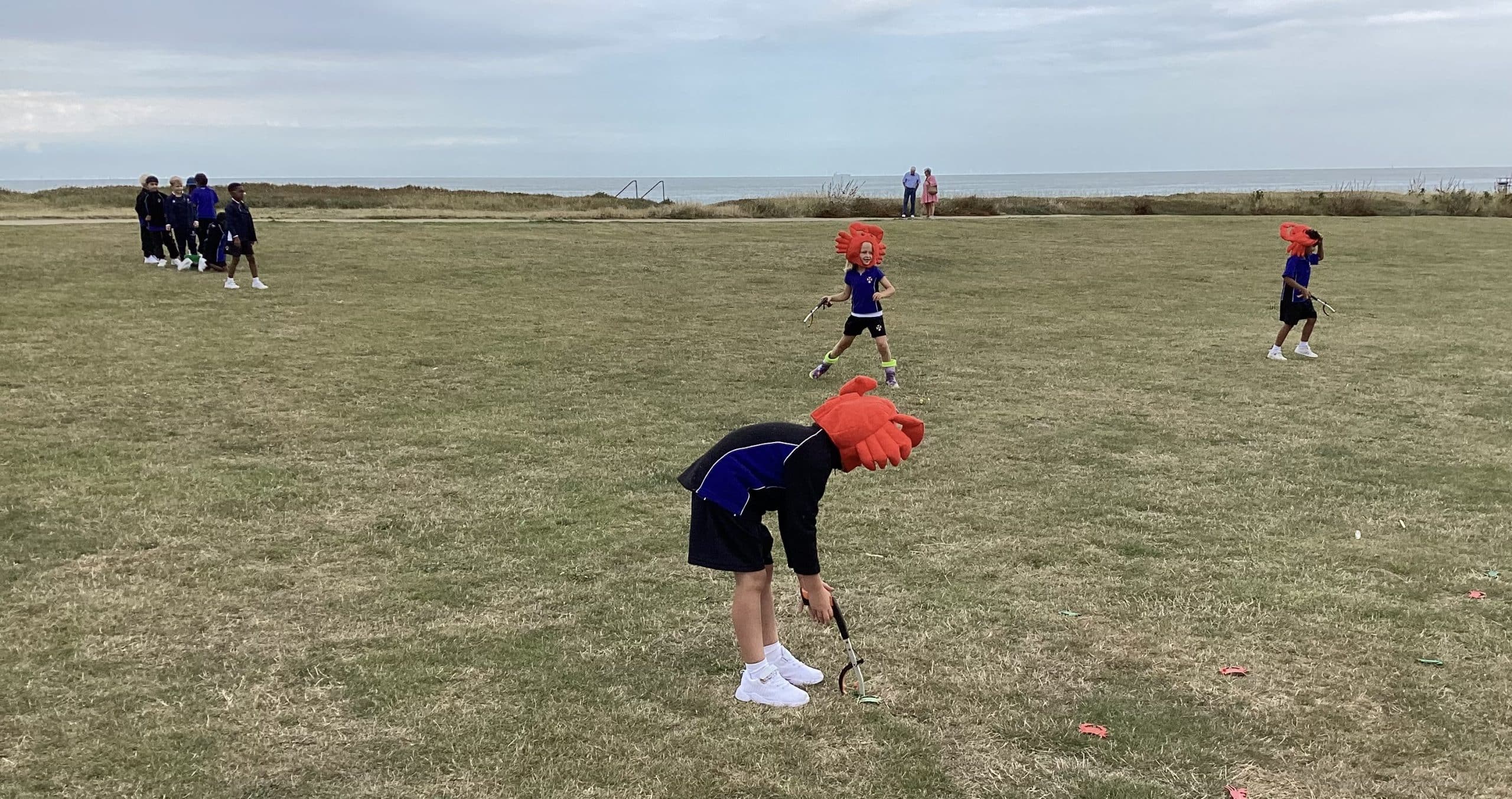
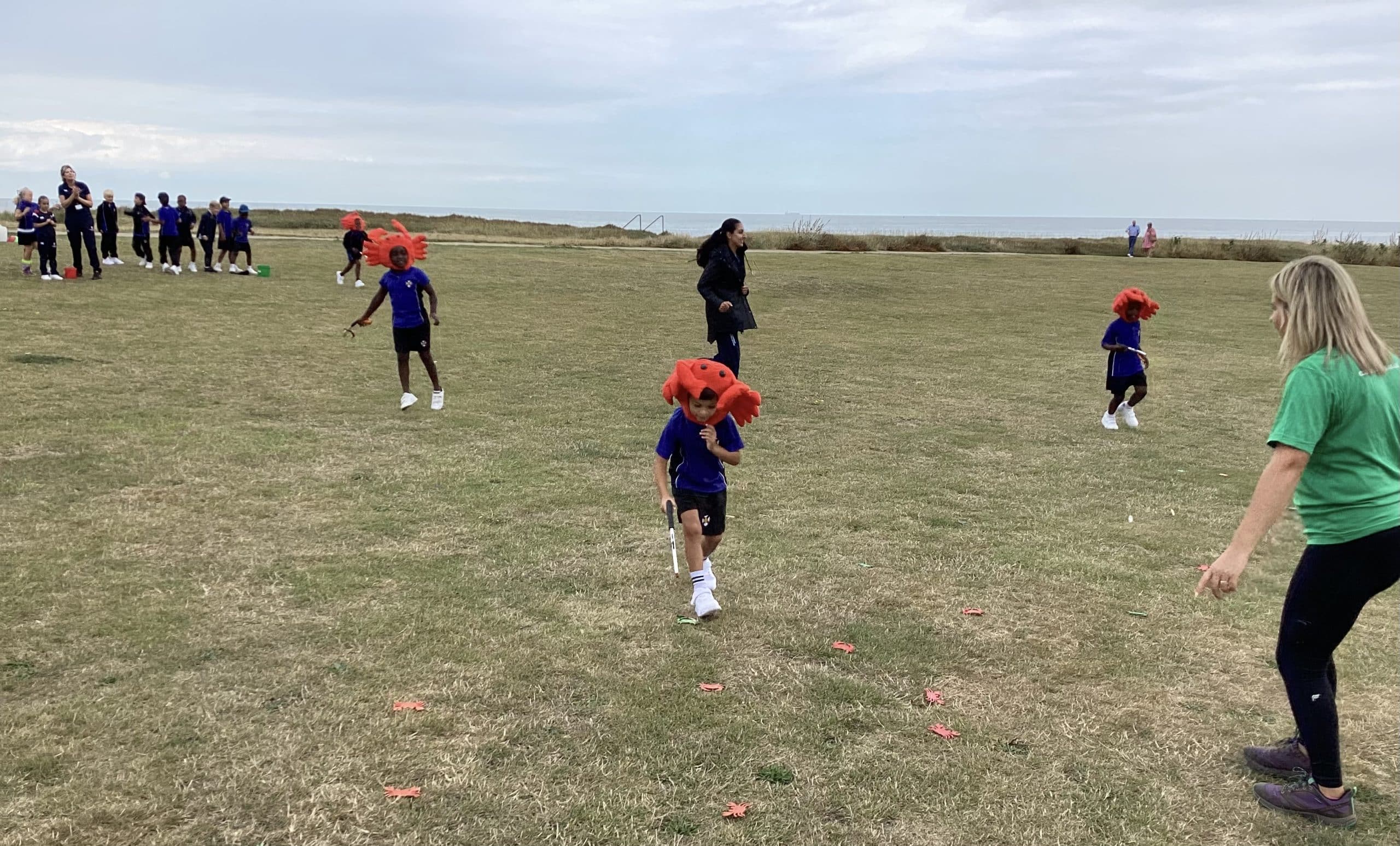
Next, they used litter pickers as beaks and pretended to be Turnstone birds, turning over stones to find tasty marine creatures. Finally, they dressed as crabs and scuttled around, racing each other to find food while avoiding the hungry seagull.
Overall, it was a fantastic experience that provided an excellent opportunity to enjoy outdoor learning in a beautiful setting, while learning many fascinating facts about seaside habitats and food chains in Science.
Thank you to everyone involved.
Related Posts
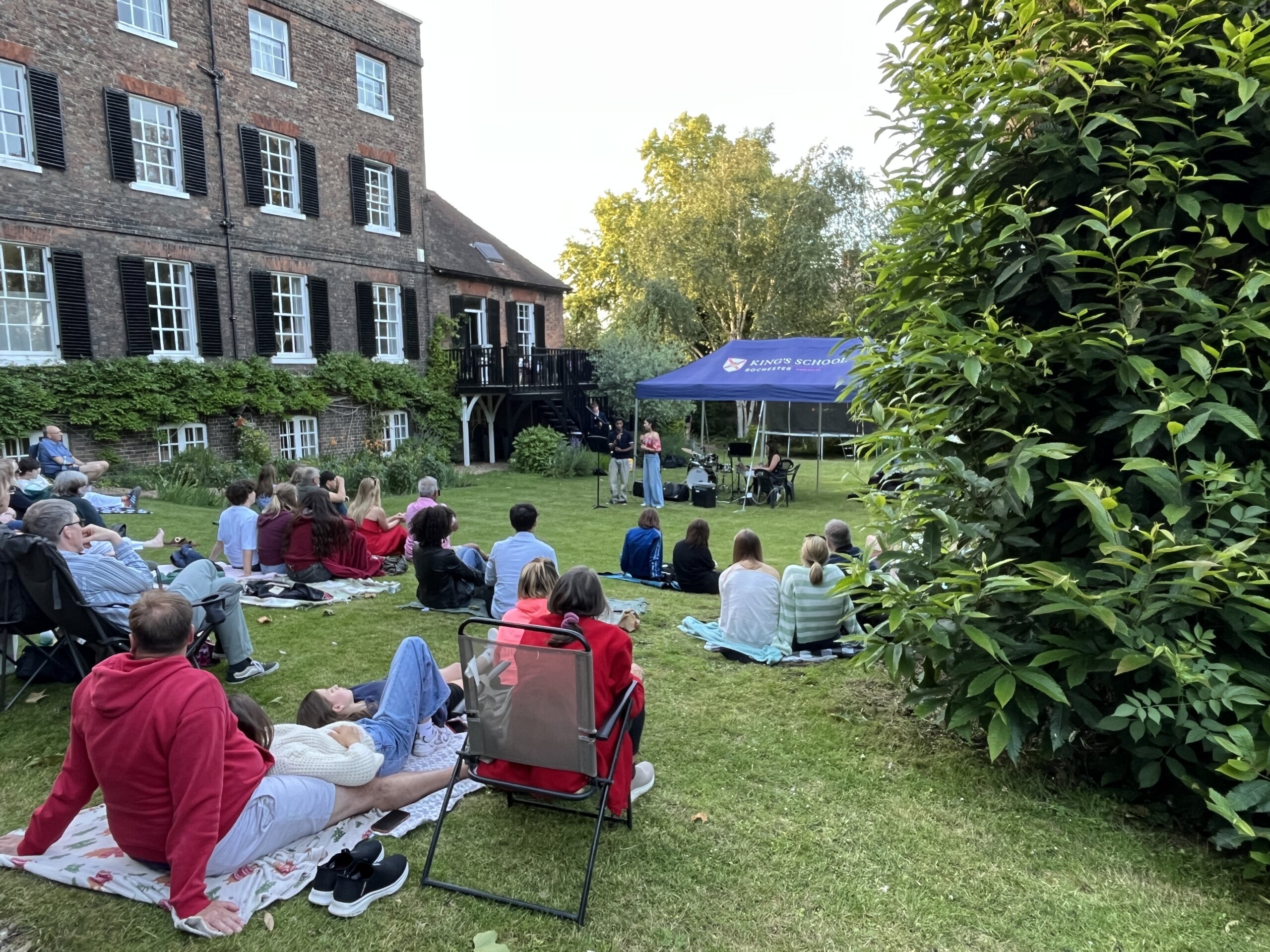
The weather gods smiled upon us as Open Mic Night took over Oriel Garden. Before a single note was sung, the crowd was treated to an opening act nobody saw coming. In a tribute to British TV royalty, our MCs for the evening - Abe and Oscar - marched out in matching Ant and [...]
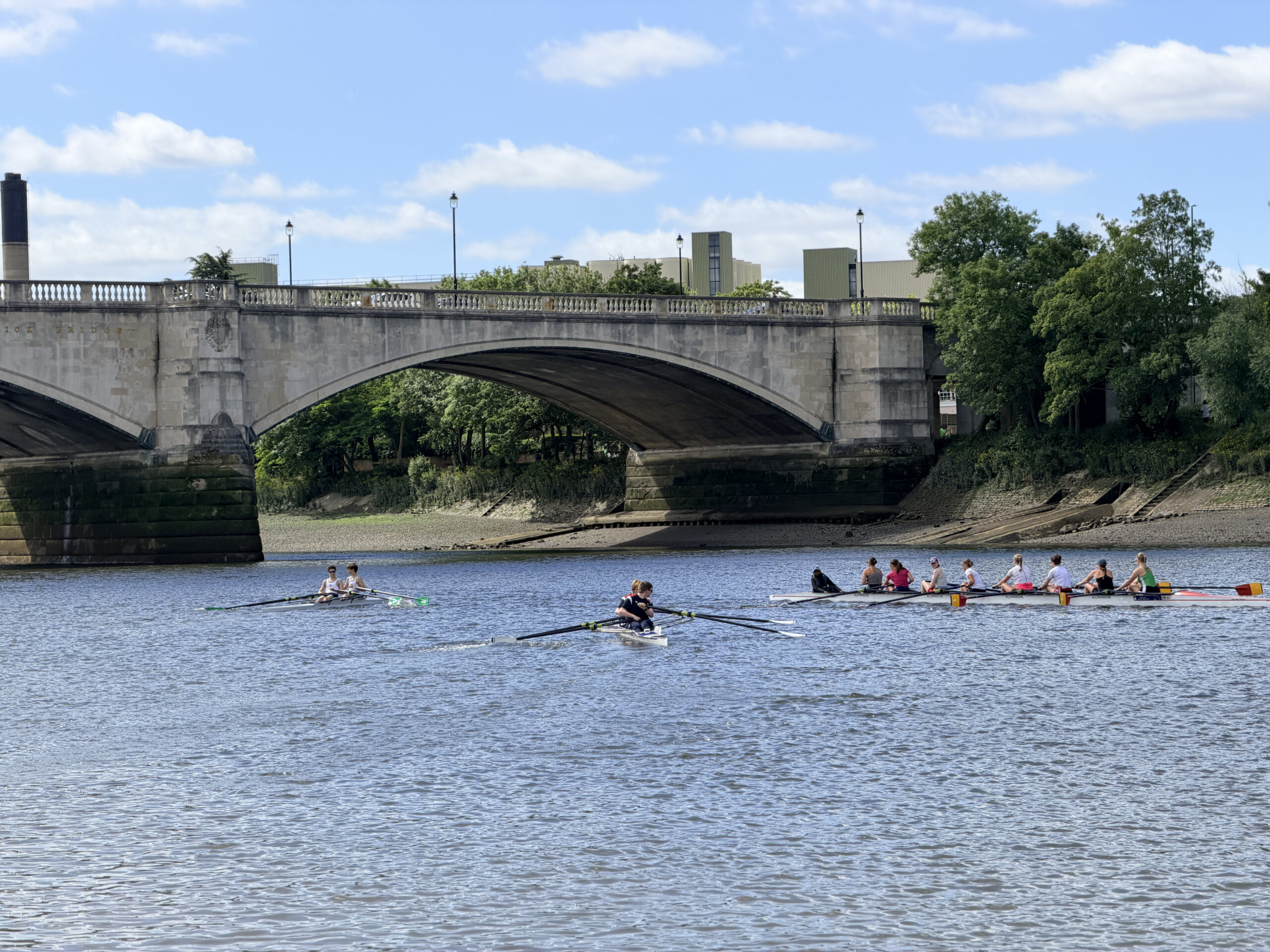
We had a fantastic day of racing at the Barnes and Mortlake Regatta, with three crews proudly representing our school: two J18 Quads and one J15 Double. Because there was no direct junior competition available for the J18 category, our quads stepped up brilliantly to compete in the Open events. The J15 Double opened [...]
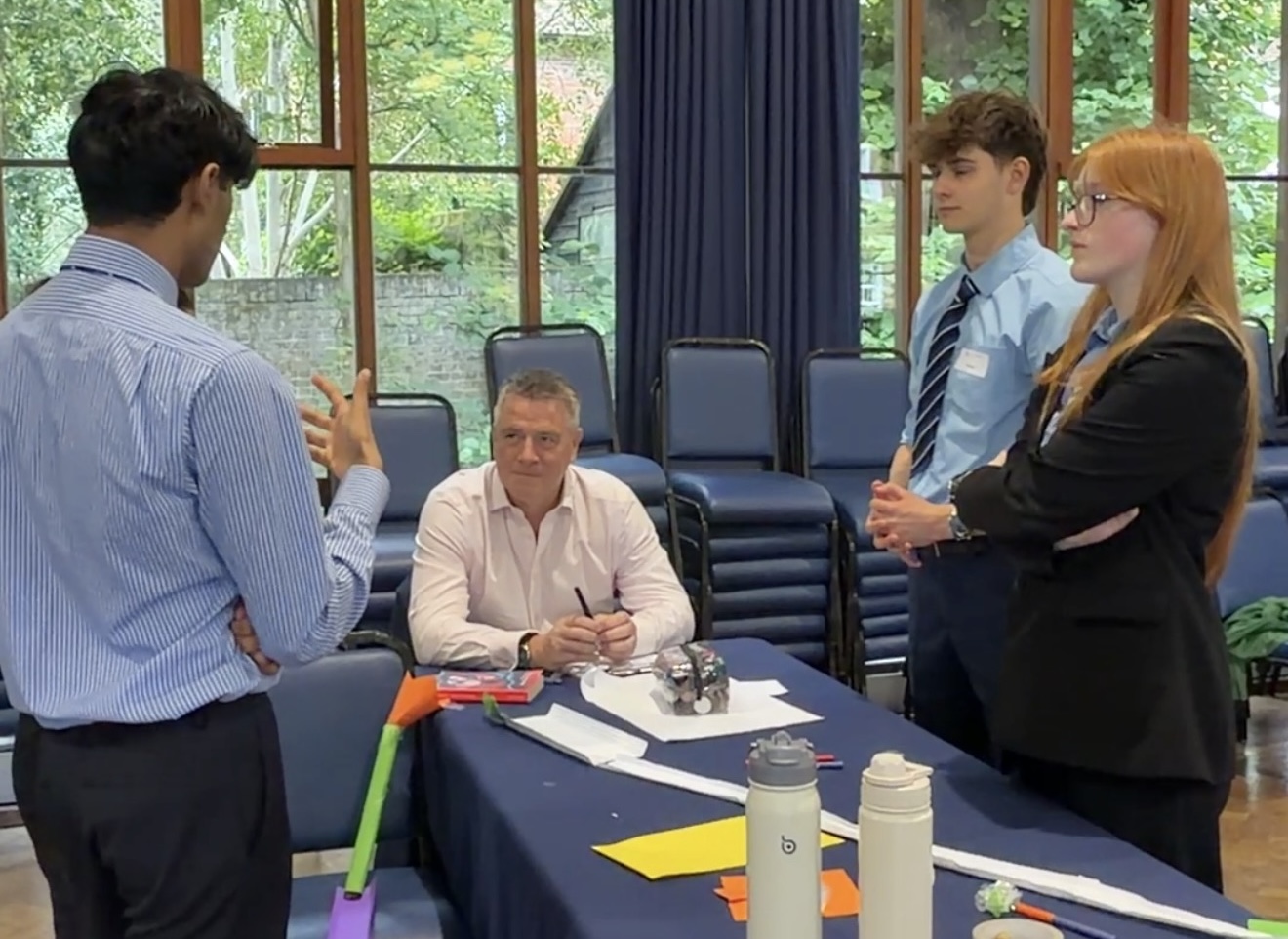
What a phenomenal day at King's for our annual L6 Careers Day! Designed to mimic a graduate recruitment assessment centre, our pupils went through a demanding rotation of group tasks, presentations and multiple mini-interviews. The top ten best on the day candidates advanced to a rigorous panel interview, competing for two fictional job offers. We [...]